Getting Things Done - ArchaeoTech 87
There is a lot to do and think about in business and in the business of archaeology. We often don't think of common business tools when trying to finish a project - mostly because we just want to think about archaeology. However, modern tools like team communication apps and project management apps are great at helping everyone organize, get on the same page, and get the work done on time and under budget. We have to be careful that we don't use TOO much in our work flow and that we don't get "notification paralysis" with everything turned on. Learn what to use, how to use it, and how to dial in the notifications so they come at just the right times and tell you what you need to know.
Links
- Calendly
- Trello
- Slack
- Brain Toss
- Dropbox
- Just Press Record
- Nutshell
- Asana
- You Can Book Me
- Getting Things Done - Book by David Allen
- Remember the Milk
Contact
- Chris Webster
- Twitter: @archeowebby
- Email: chris@archaeologypodcastnetwork.com
- Paul Zimmerman
- Twitter: @lugal
- Email: paul@lugal.com
Old McDonald Had A Farm - Animals 02
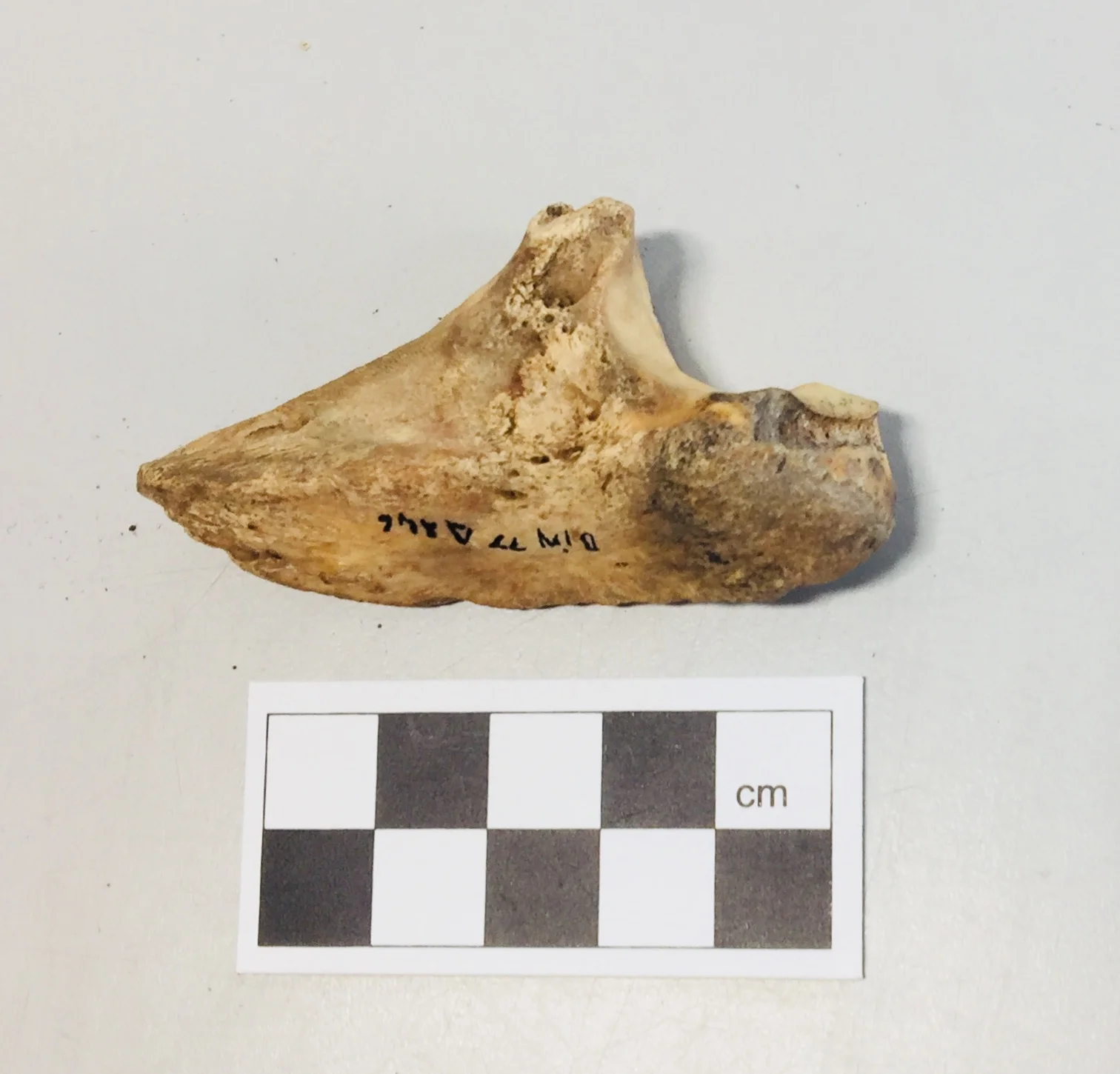
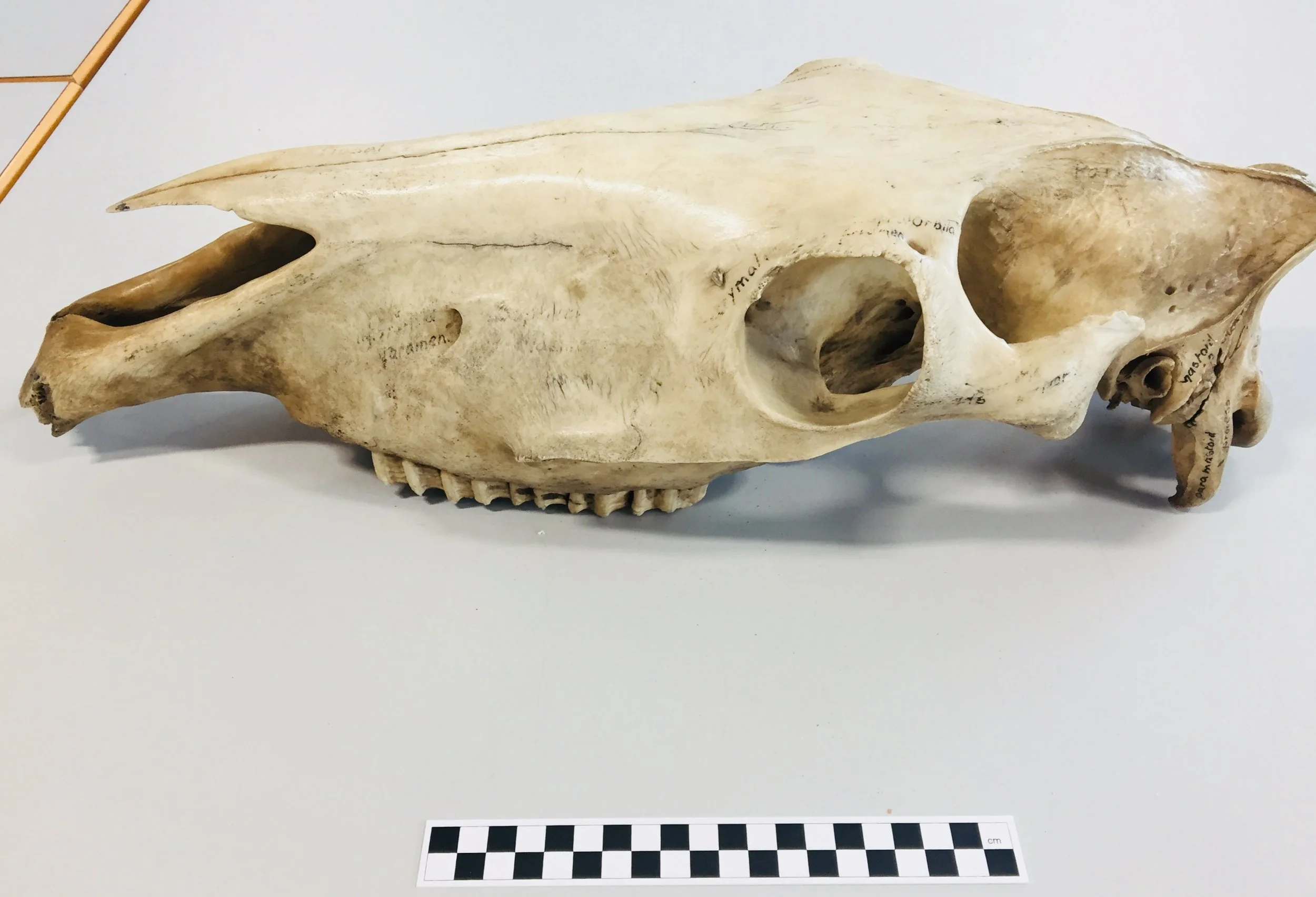
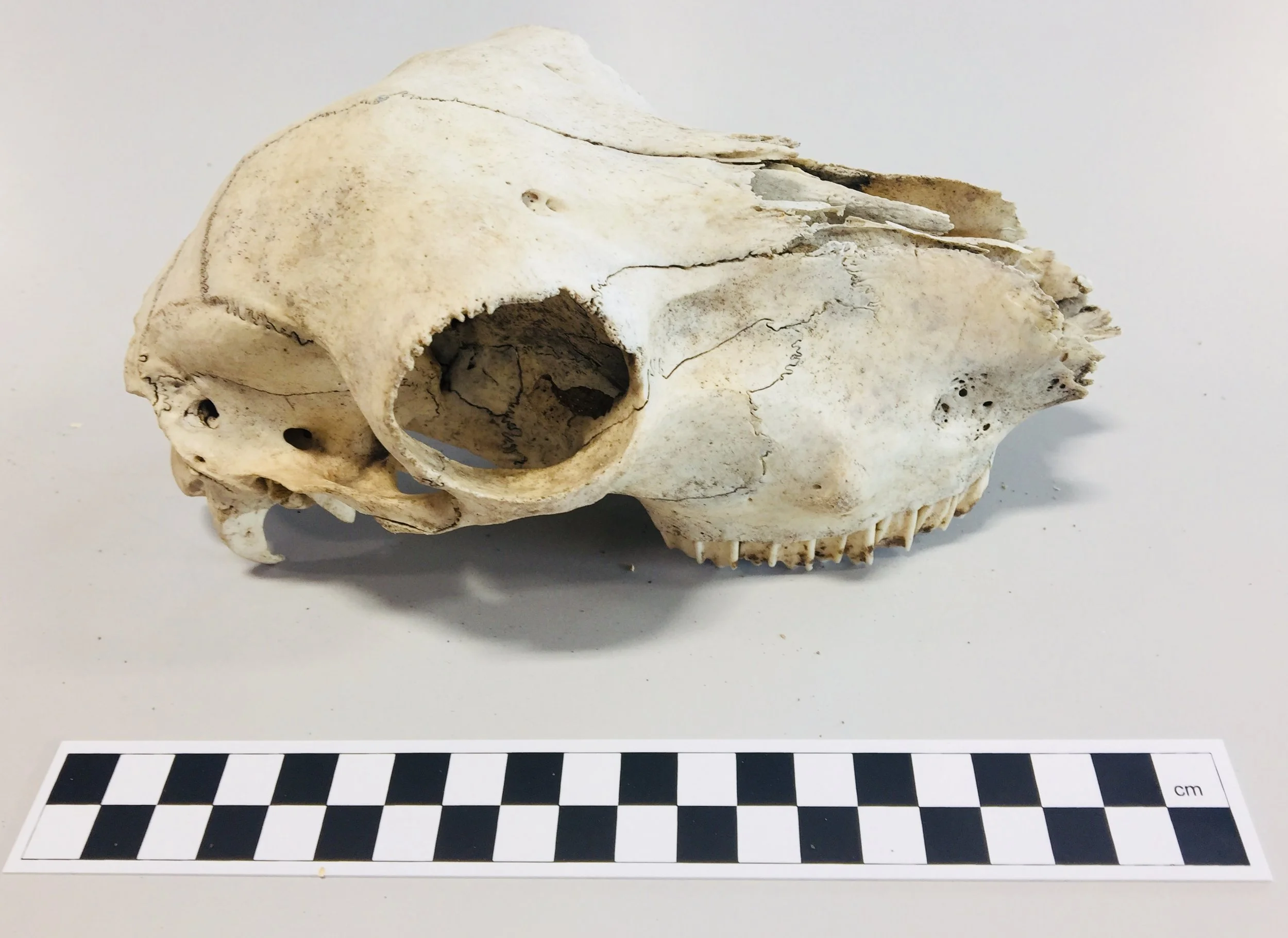
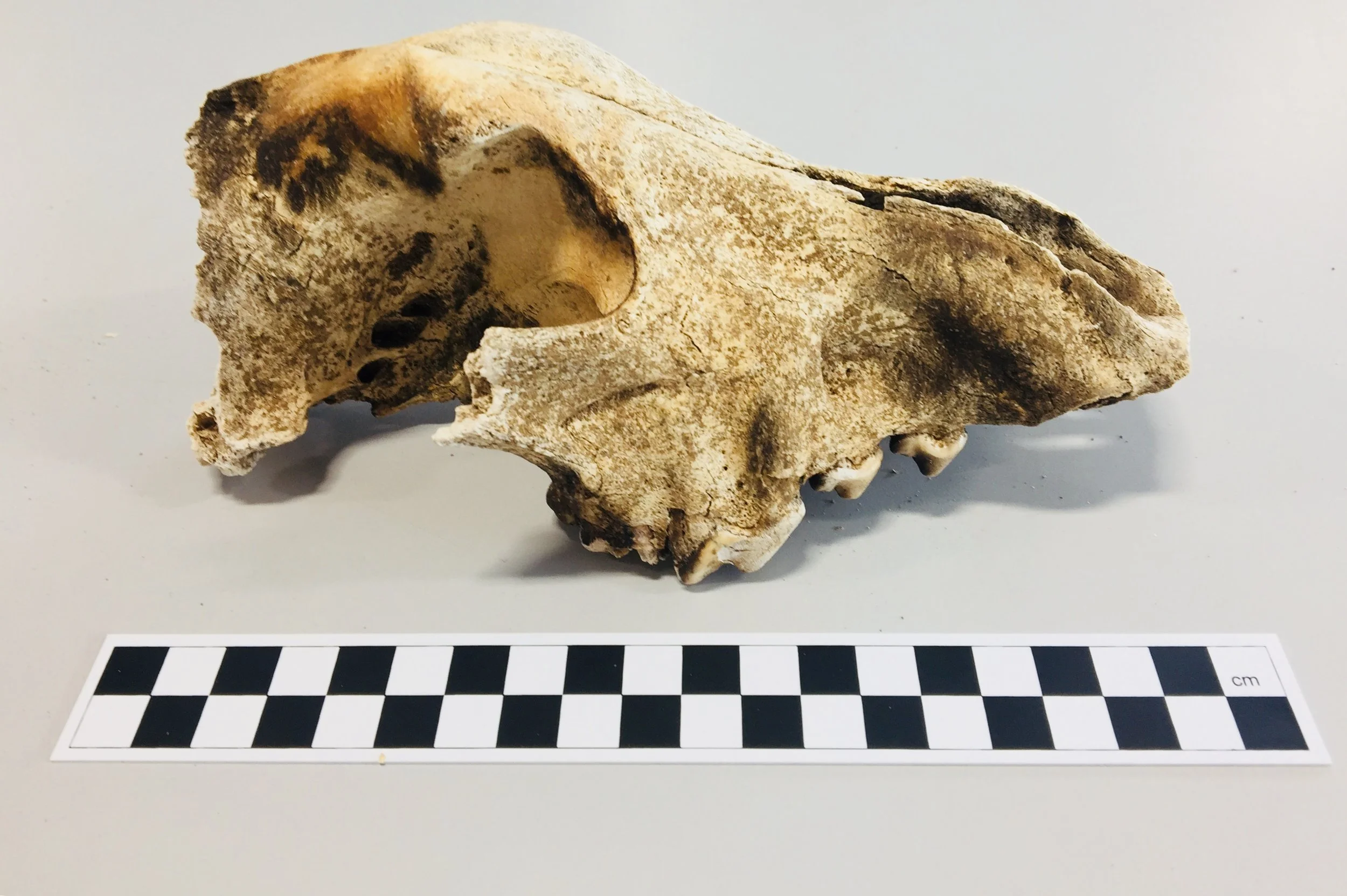
The distinction between domestic and wild animals is sometimes difficult, especially if the domesticated species is still morphological very similar to its wild counterpart. Cat being a notorious example. Size is usually a good indicator (wild counterparts often being bigger). Differentiation is usually achieved by means of biometry, which consists of set measurements taken from the bones. Previous research has established standards for measurements taken from individuals of known ID (wild and domestic), to compare your assemblage to. However one needs to bear in mind that modern animals may not look exactly like they used to, and things become even complicated when a species also presents several different breeds bearing distinct morphological differences (e.g. domestic dog
Further Reading
- http://www.mustfarm.com/progress/site-diary-35-the-must-farm-menu/
- http://www.cam.ac.uk/research/news/latest-archaeological-finds-at-must-farm-provide-a-vivid-picture-of-everyday-life-in-the-bronze-age
- Journal of Archaeological Science 35 (2008) 1828e1848 The development of animal husbandry from the Late Iron Age to the end of the Roman period: a case study from South-East Britain Umberto Albarella a,*, Cluny Johnstone b, Kim Vickers a
- Davis (1987) The Archaeology of Animals. Yale
Contact
- Alex Fitzpatrick
- Twitter: @archaeologyfitz
- Simona Falanga
- Twitter: @CrazyBoneLady
- Music
- "Coconut - (dyalla remix)"
- https://www.youtube.com/watch?v=_2UiKoouqaY
Zooarchaeology 101 - Animals 01
Zooarchaeology is, as the word suggests, the study of animal remains from archaeological sites. It is a relatively new discipline that has been steadily gaining popularity since the 1970s. Zooarchaeology can provide inference on past people’s economy, dietary habits, society and culture.
Faunal remains recovered from archaeological sites are initially processed, identified to element and species whenever possible and finally used in quantitative and qualitative analyses to further our understanding of a given archaeological site. Zooarchaeologists will frequently attempt to gather information on the animals’ age, sex and season of death as well as looking out for bone modification (either pathological or taphonomical i.e. signs of disease and butchery/burning/gnawing). This data will then be analysed within the regional and historical context of the site.
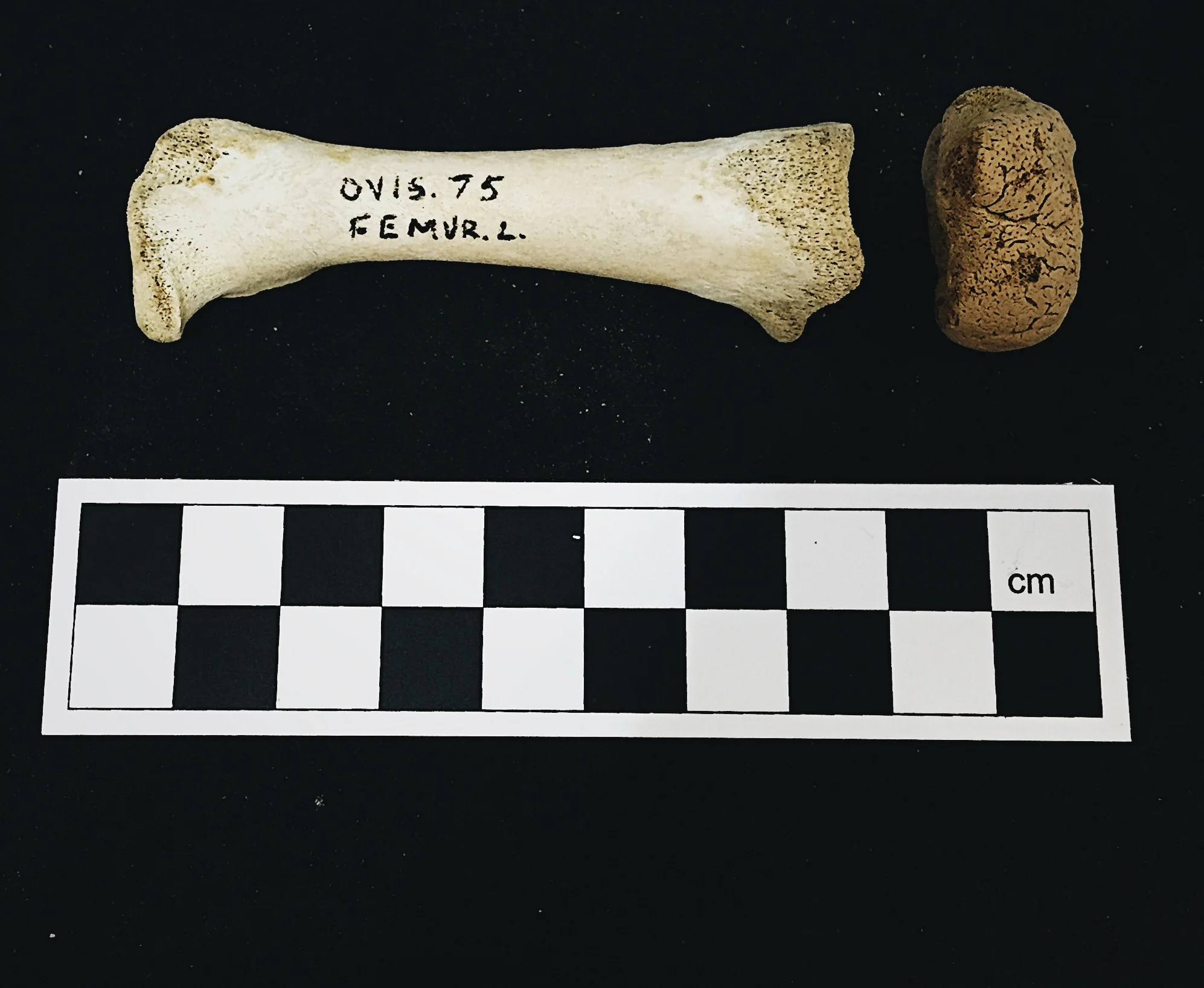
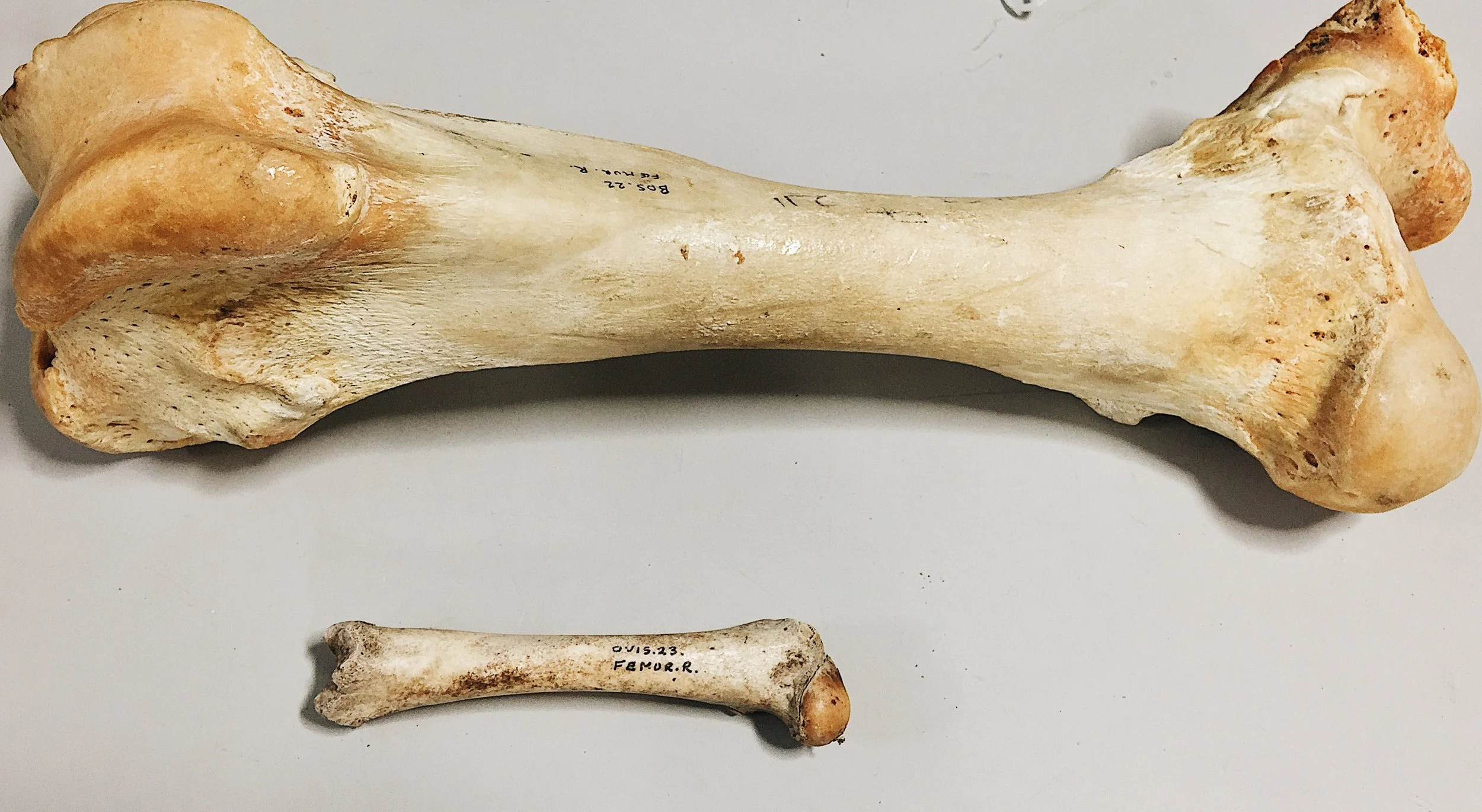
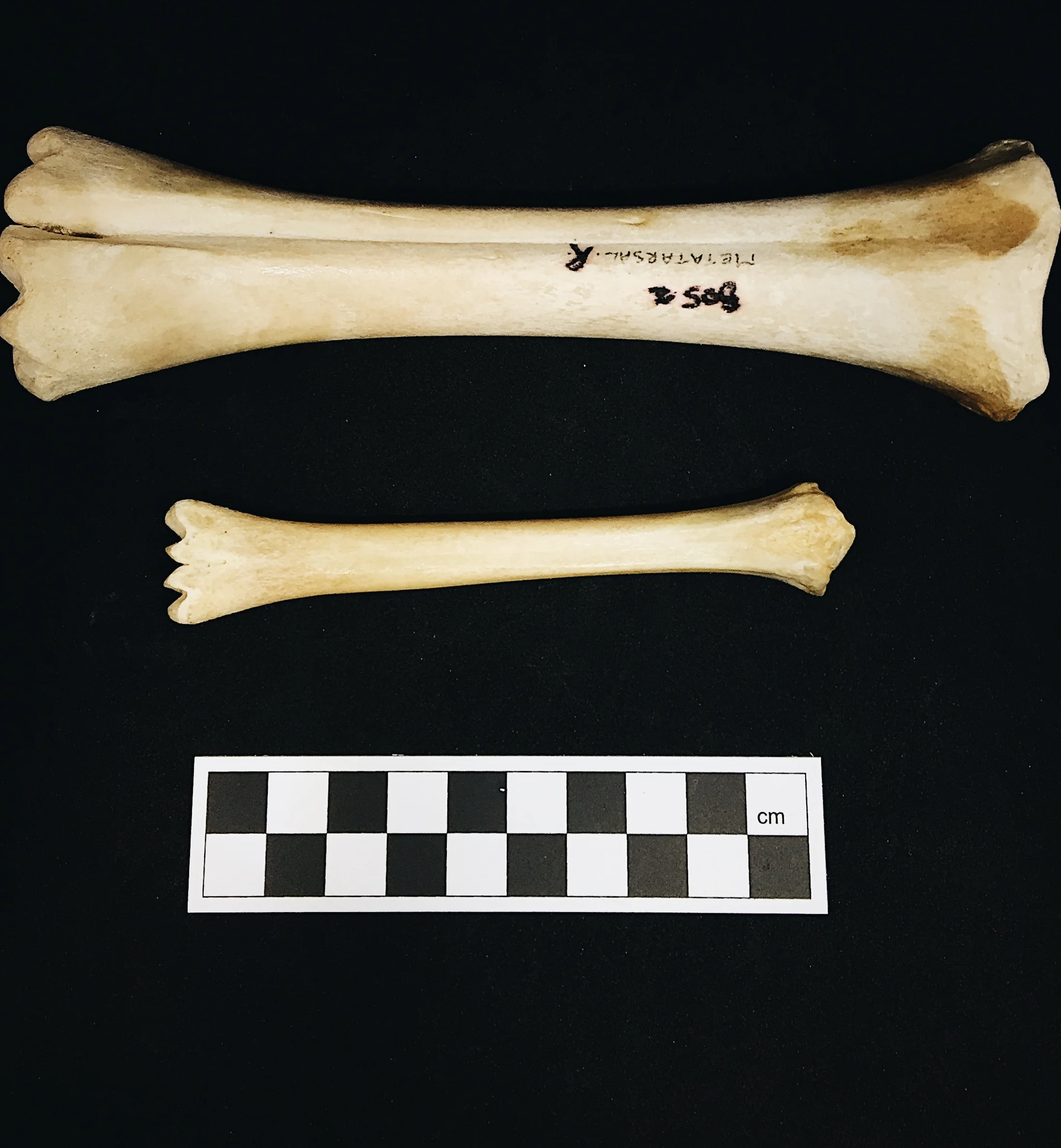
When carrying out the analysis of a faunal assemblage, the first step is to identify as many bone fragments as possible to element and species. It is important for this process to be as accurate as possible, thus if in doubt it is best to label the specimen as unidentifiable rather than risking biasing your sample). As not all recovered fragments will not have retained enough diagnostic characteristic for confident ID, the whole sample is somewhat biased from the very beginning, hence it’d be best not to add to that with potential misidentifications. Identification of skeletal remains is largely carried out by morphological analysis, though species which present a similar anatomy may require additional tools such as biometry (which relies on measurements): this is the case for sheep/goat, to mention a few. Morphological ID is a skill that takes a lot of practice to refine, and reference collections represent an invaluable asset in order to learn and maintain your knowledge of comparative skeletal anatomy. These will be mostly comprised of modern specimens of known ID. It is important to bear in mind, however, that the morphology of a given species is unlikely to have remained static throughout time and your archaeological material may thus slightly differ to the modern reference specimen. Some species also present remarkable morphological and size variations (dogs, for instance), so these are all factors to be mindful of when analysing an archaeological assemblage.
The age at death of an animal is frequently determined based on epiphyseal fusion. For those who are unfamiliar with the concept, most bone is comprised of two parts: the central diaphysis (commonly known as the shaft) and the two epiphysis, which stand at the periphery of the bone. In several bones, these three parts are not fused together at birth, and research has been carried out to determine fusion age stages for different elements and species.
Another frequently used method for ageing is tooth eruption and wear.
Assigning age at death is useful in order to determine kill off patterns, which ultimately provide inference on animal exploitation. For instance, a sample mostly comprised by adult/elderly cattle indicates that they may have been used as working animals. Similarly, if the sample is comprised by numerous juveniles as well as adults, dairy production is a likely candidate.
Further inference on exploitation is provided by sexing the animals, which is usually carried out by looking for sexually dimorphic traits (i.e. morphological traits which will differ between males and female - e.g. antler in male cervids, with the exception of reindeer).
Pathology is the study of disease. It can provide information on animal exploitation and sometimes pet keeping. The latter hypothesis is for instance argued when an individual presents numerous pathologies which required constant human care and that would render the animal economically unviable to keep, yet it was still looked after.
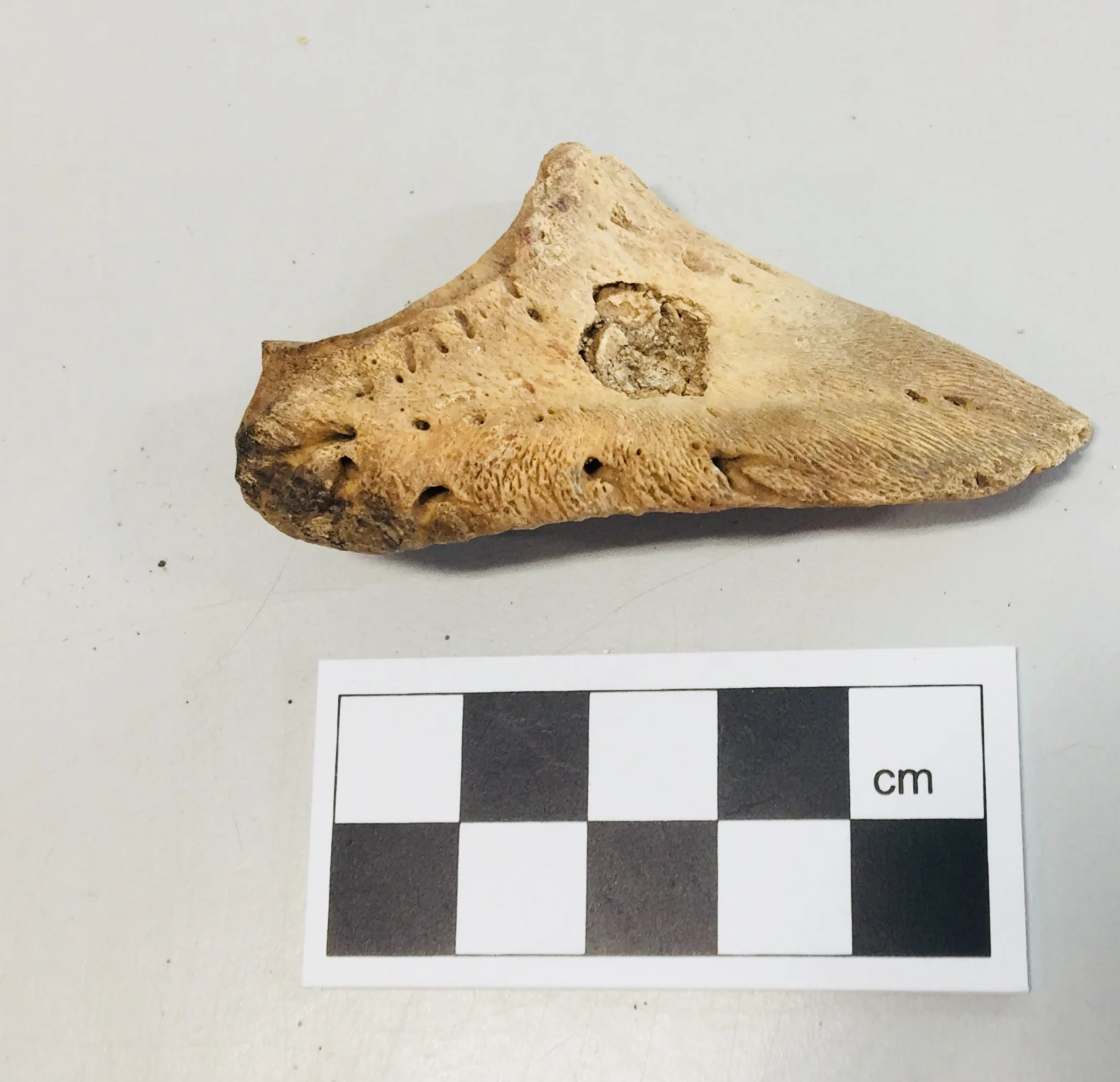
A common marker of animal exploitation which is not uncommon in cattle remains is a bone growth within the metatarsal/tarsal articulation, known as spavin. The latter is caused by chronic inflammation, most likely induced by traction.
Taphonomy is a huge subject and an academic discipline in its own right. Within zooarchaeology, the aspects of taphonomy which are mostly looked at are man/animal induced bone modification. This can take the form of butcher marks, scorching caused by cooking, and gnawing from domestic animals and scavengers alike.
Further Reading
- "Identifying and Interpreting Animal Bones: A Manual" - April M. Beisaw (2013)
- "The Archaeology of Animal Bones" - Terry O'Connor (2000)
- "On the Average Day of a Zooarchaeologist, or Like, So What Do You Even Do?" - Alex Fitzpatrick https://animalarchaeology.com/2017/11/09/
Team Black - Getting a Job in Archaeology - CRMArch 144

It's a bit of a different show today. Chris talks about Team Black and what it's hoping to do for archaeology. From resources to webinars, there is a lot over there. The last half of this shorter episode is an example of a Team Black Webinar on getting a job in archaeology.
Links
Follow Our Panelists On Twitter
Bill @succinctbill; Doug @openaccessarch; Stephen @processarch; Chris W @Archeowebby,@DIGTECHLLC, and @ArchPodNet;
Blogs:
- Bill White: Succinct Research
- Doug Rocks-MacQueen: Doug’s Archaeology
- Stephen Wagner: Process - Opinions on Doing Archaeology
- Chris Webster: Random Acts of Science
Coffee With an Indian - TAS 48
The Coffee With an Indian Podcast, hosted by Brian Melendez, is a raw look at growing up and living a tribal lifestyle. Brian weaves an emotional narrative of his life that is sometimes sad, sometimes funny, and always instructive.
Links
Using Math and Maps to find Mounds in the Southeast US - ArchaeoTech 86

Dylan Davis is lead author on a paper titled, "Automated mound detection using lidar and object-based image analysis in Beaufort County, South Carolina." The article details his teams efforts to create algoritms and workflows for a computer system to identify mounds and earthworks. The results were stunning! They covered an amazing amount of space in a short period of time and ground truthed just a few of the results which resulted in the discovery of some previously undiscovered mounds. This is just the beginning for a system like this.
Links
- Paper: Automated mound detection using LIDAR and object-based image analysis in Beaufort County, South Carolina
- eCognition
- Galaxy Zoo
- GlobalXplorer
Contact
- Chris Webster
- Twitter: @archeowebby
- Email: chris@archaeologypodcastnetwork.com
- Paul Zimmerman
- Twitter: @lugal
- Email: paul@lugal.com
Seneca-Iroquois National Museum - HeVo 20
On today’s podcast we speak with David L. George-Shongo, Jr., Acting Director of the Seneca-Iroquois National Museum. The Seneca-Iroquois National Museum just celebrated opening a brand new $18M facility, including a new museum/cultural center, archives, and decontamination area. Dave talks about the opening and the long process of developing the museum in the community (without bringing in any outside funding!). He also speaks about NAGPRA from the 1990s until now and working with other tribes to provide curation space if needed as well. He discusses the Men’s Cultural and Ritual Language Program and the importance of using Seneca words in explaining Seneca concepts in addition acting in a culturally appropriate manner while doing anthropology or heritage preservation. Mostly, he wants people to understand that the Seneca are people too and not only that they are still here even if they use modern tools, but that they will be here as Seneca into the future.
Links
- “Ute Prayer Trees” Article
- Episode 10- Hopivewat- Hopi Museum and Learning Center Development- Susan Sekaquaptewa and Marissa Nuvayestewa
- https://www.facebook.com/SenecaMuseum/
- Ganondagan State Historic Site
- Seneca-Iroquois National Museum Website
- https://www.customink.com/fundraising/livingheritage
- livingheritage.net/take-action/ (Raffle for every $10 donated)
- https://www.facebook.com/LivingHeritageResearchCouncil/
- Photography by Neal Savage- https://www.facebook.com/PhotographybyNealSavage?fref=ts
Contact
Hotels on the Weekend and Fire Season - CRMArch 143

Sonia and Chris start the episode by discussing something we saw on Facebook - which is something no one should do! Anyway, should archaeologists get per diem on the weekends on long term projects? We have our opinions. We spend the rest of the episode talking about the rough fire season in the western U.S. and how to deal with smoke and fire's effects on archaeology.
Links
- Selecting a Smoke Mask - California Version
- Selecting a Smoke Mask - Washington State Version
- Fire Archaeology Episode of the CRM Arch Podcast
- Neil Wientraub and Fire Archaeology Episode of The Archaeology Show
Follow Our Panelists On Twitter
Bill @succinctbill; Doug @openaccessarch; Stephen @processarch; Chris W @Archeowebby,@DIGTECHLLC, and @ArchPodNet;
Blogs:
- Bill White: Succinct Research
- Doug Rocks-MacQueen: Doug’s Archaeology
- Stephen Wagner: Process - Opinions on Doing Archaeology
- Chris Webster: Random Acts of Science
Lithophones, The Original Rock Music - TAS 47
Similar in technology and acoustic style to the xylophone, lithopones are rocks that have been used to make music and sounds for thousands of years and all over the planet. Long and usually skinny, lithophones are rocks that are either natural or have been shaped to produce certain sounds or notes. On today's episode we talk to Marilyn Martorano about her research into lithophones in the American Southwest.
Links
Contact
Chris Webster
Using Tech in Challenging Areas with Bill White - ArchaeoTech 85
Bill White is a CRM Archaeologist and professor at UC Berkeley. He's ran projects in a variety of conditions and locations and today he joins us to talk about the challenges of using tech on projects in challenging areas.
Links
App of the Day
Contact
- Chris Webster
- Twitter: @archeowebby
- Email: chris@archaeologypodcastnetwork.com
- Paul Zimmerman
- Twitter: @lugal
- Email: paul@lugal.com
Updates - HeVo 19.1

On today’s podcast Lyle and I talk about what we’ve been up to for the past two years since we started working on the podcast. We talk about a few of our favorite past episodes and give a teaser for the upcoming episodes. We also talk a lot about the new non-profit that a group of us ethnographers have founded called Living Heritage Research Council and what we would like to do with it in the future. Also, we talk about the sweet logo that Lyle designed and how you can get your own swag with it on there (see the links below)!
LHRC collaborates with indigenous and local communities to preserve, interpret, and celebrate places that tell us who we are and where we come from. We focus on community-driven heritage research, outreach, and empowerment. We connect communities and policy makers to preserve culturally important landscapes and collective histories for future generations.
Links
Episode 10 (Hopi Museum)- https://www.archaeologypodcastnetwork.com/heritagevoices/10
Episode 15 (Bears Ears National Monument) https://www.archaeologypodcastnetwork.com/heritagevoices/15
Episode 19- Publishing- Dr. Lisa Hardy, Sarah Herr, Dr. Kathleen Van Vlack, and Dr. David Martinez
Episode 13- Ethnography, Videography, and Public Anthropology- Dr. Sean Gantt
Sally Crum’s book “People of the Red Earth: American Indians of Colorado”- https://www.amazon.com/People-Red-Earth-American-Colorado/dp/1932738762
Photography by Neal Savage- https://www.facebook.com/PhotographybyNealSavage?fref=ts
Contact
Competition Amongst Archaeologists - CRMArch 142

From academic positions to field positions to contracts archaeologists find themselves in a race to the bottom competing with each other in an already strapped industry. Why does this happen and how can we fix it? We toss out some of our ideas on this episode.
Follow Our Panelists On Twitter
Bill @succinctbill; Doug @openaccessarch; Stephen @processarch; Chris W @Archeowebby,@DIGTECHLLC, and @ArchPodNet;
Blogs:
- Bill White: Succinct Research
- Doug Rocks-MacQueen: Doug’s Archaeology
- Stephen Wagner: Process - Opinions on Doing Archaeology
- Chris Webster: Random Acts of Science
Amache Japanese Incarceration Center Field School Report - Archaeology 46
April is back from field school! This was the 10th year anniversary of the Amache Field School, run by Dr. Bonnie Clark of the University of Denver. April is a Co-Director of the field school and she has a report on what the did, what they found, and what's next. Amache is a fascinating place with a complicated history. If you have questions, please reach out and we'll get them to the right people.
Links
Preventing Data Loss - ArchaeoTech 84
Data loss is one of the most terrifying things an archaeologist, or any scientist, fears. To have all that hard work, and sometimes un-replicable work, lost because of something that you could ultimately control is something we don't like to think about. But, we have to. Especially as archaeology goes more into the digital realm all field archaeologists have to think about how they are preserving and backing up their data not only in the field but at every step of the process. Paul and Chris talk about this problem and some possible solutions on today's episode.
Links
- Wildnote
- Tap Forms
- SanDisk WiFi Connect
- Time Machine
- BackBlaze
- CrashPlan
- Barracuda
- Dropbox
- SpiderOak
- Google Drive Filestream
App of the Day
- Chris: All Trails
- Paul: GuitarTuna
Contact
- Chris Webster
- Twitter: @archeowebby
- Email: chris@archaeologypodcastnetwork.com
- Paul Zimmerman
- Twitter: @lugal
- Email: paul@lugal.com
Creating a Universal Site Form - CRMArch 141

Is it possible? Can a universal site form really cover all sites? Stephen, Doug, and Chris discuss the possibilities, problems, and practicality of this idea. Tell us what you think!
Links
Follow Our Panelists On Twitter
Bill @succinctbill; Doug @openaccessarch; Stephen @processarch; Chris W @Archeowebby,@DIGTECHLLC, and @ArchPodNet;
Blogs:
- Bill White: Succinct Research
- Doug Rocks-MacQueen: Doug’s Archaeology
- Stephen Wagner: Process - Opinions on Doing Archaeology
- Chris Webster: Random Acts of Science
Publishing - Heritage Voices 19
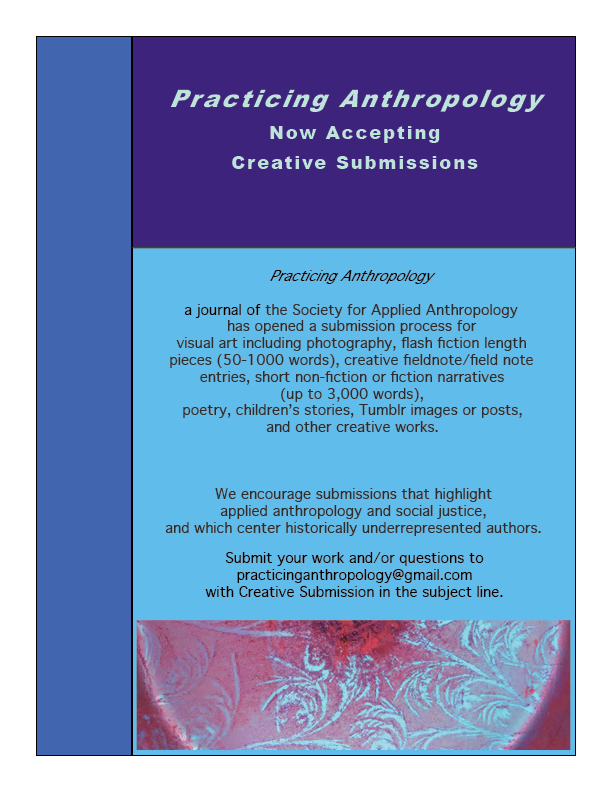
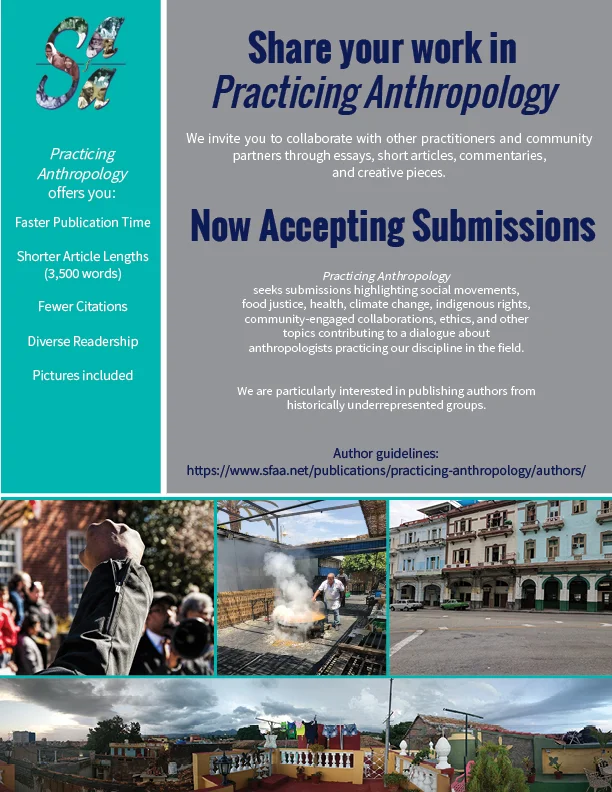
On Today’s episode, Jessica hosts a panel focused on publishing. The panel includes Dr. Lisa Hardy (Editor of one of the Society for Applied Anthropology’s (SFAA) journals, Practicing Anthropology), Sarah Herr (Editor of one of the Society for American Archaeology’s (SAA) journals, Advances in Archaeological Practice), Dr. Kathleen Van Vlack (Editor of the High Plains Society for Applied Anthropology’s (HPSFAA) journal The Applied Anthropologist), and Dr. David Martinez (Akimel O’odham, Associate Professor of American Indian Studies at Arizona State University). Unfortunately, due to some last minute technical difficulties, Lyle was unable to join the call as co-host and panelist. Also, we actually recorded this episode back in March, so you may notice that things we mentioned happened awhile ago, so sorry about all that. We talked about everyone’s experience with publishing, tips for those who are interesting in publishing, challenges with diversity in publishing, and where they would like to see publishing going in the future. These amazing editors look forward to working with you towards publishing in their journals!
Links
- Advances in Archaeological Practice- https://www.cambridge.org/core/journals/advances-in-archaeological-practice
- Arizona State University American Indian Studies- https://americanindian.clas.asu.edu/
- The Applied Anthropologist- http://www.hpsfaa.org/The_Applied_Anthropologist
- Practicing Anthropology Blog- https://practicinganthropologyblog.wordpress.com/
- The Politics of Citation: Is the Peer Review Process Biased Against Indigenous Academics? - http://www.cbc.ca/radio/unreserved/decolonizing-the-classroom-is-there-space-for-indigenous-knowledge-in-academia-1.4544984/the-politics-of-citation-is-the-peer-review-process-biased-against-indigenous-academics-1.4547468
- Archaeology Southwest Magazine- Bears Ears: Sacred and Threatened- https://www.archaeologysouthwest.org/product/asw32-1/
- The book Kathleen did her first book review on (Ordeal of Change: The Southern Utes and their Neighbors by Francis Leon Quintana)- https://books.google.com/books/about/Ordeal_of_Change.html?id=YXrD6xNG_gQC
- Desert Archaeology Blog- https://desert.com/blog/
- 'Life of the Indigenous Mind: Vine Deloria Jr and the Birth of the Red Power Movement'-Title of Dr. Martinez’s book he mentioned on Vine Deloria and including the Standing Rock Sioux Activists. University of Nebraska Press, expected Spring 2019.
- First Advances in Archaeological Practice Podcast Digital Review- https://www.cambridge.org/core/journals/advances-in-archaeological-practice/article/middens-and-microphones-podcasting-as-digital-public-outreach-in-archaeology/7F2101241830D80F91E8170606A9F5B9
- Advances in Archaeological Practice Free Digital Reviews- https://www.cambridge.org/core/journals/advances-in-archaeological-practice/free-digital-reviews
- High Plains Society for Applied Anthropology- http://www.hpsfaa.org/


Contact
Data Beyond the Archive in (Digital) Archaeology - ArchaeoTech 83
Today Chris and Paul discuss an article from the May 2018 issue of Advances in Archaeological Practice, a journal from the Society for American Archaeology. It's an article that summarizes the rest of this special journal issue that is all about the reuse of archived data. It's a real issue in archaeology and we dive in on this episode.
Links
App of the Day
- Chris: Piano Tiles 2
- Paul: Oh, Ranger!
Contact
- Chris Webster
- Twitter: @archeowebby
- Email: chris@archaeologypodcastnetwork.com
- Paul Zimmerman
- Twitter: @lugal
- Email: paul@lugal.com
Introducing ArchaeoAnimals - Animals 0
Welcome to a brand new podcast from the Archaeology Podcast Network - ArchaeoAnimals! Our hosts, Alex Fitzpatrick and Simona Falanga, will guide you through the world of animals, humans, and archaeology. This first episode will tell you what the show's about and a little about Alex and Simona.
Links
- Follow #archaeoanimals on Twitter.
Contact
- Alex Fitzpatrick
- Twitter: @archaeologyfitz
- Simona Falanga
- Twitter: @CrazyBoneLady
- Music
- "Coconut - (dyalla remix)
- https://www.youtube.com/watch?v=_2UiKoouqaY
Is There Preservation in CRM? CRMArch 140

Everyone see preservation differently. Is excavation preservation? Is saving the data preservation? Is not doing anything at all preservation? What does it mean to you? On today's episode we explore this topic and giver our own opinions on what preservation means to us.
Follow Our Panelists On Twitter
Bill @succinctbill; Doug @openaccessarch; Stephen @processarch; Chris W @Archeowebby,@DIGTECHLLC, and @ArchPodNet;
Blogs:
- Bill White: Succinct Research
- Doug Rocks-MacQueen: Doug’s Archaeology
- Stephen Wagner: Process - Opinions on Doing Archaeology
- Chris Webster: Random Acts of Science
Archworld I : Virtualisation for the Masses - Anarchaeologist - Episode 49
Bring yourself online.....
The HBO drama Westworld has entered its second season, dealing with a robot revolt and what it means to be Artificial Intelligence and by extension, human. All against a backdrop of America's favourite cultural setting, the Wild West. Tristan uses Westworld to introduce his multi episode series on virtual archaeology and the importance of thinking about representation of archaeology; do we want a fun and engaging history that allows people to explore or should we let people "peek behind the curtain" in order to be more honest.
Credit:
Music - Danny Boyle
Holographic Overture
Alone at a Bar at 3am
Twitter/Instagram:
------------------------------------------
Join the Conversation Online
Facebook - Like Us!
Twitter - Follow Us!
Instagram - Heart Us!
Visit our Shop or Become a Member and support the network