Tephrochronology with Dr. Jamie Anderson - ArchaeoTech 109
New APN Volunteer producer, Dr. Jamie Anderson, joins Paul and Chris today to talk about her masters and PhD research that used some interesting dating methods. One of those was Tephrocronology, or, dating using ash layers. Combined with other methods, Tephrocronology is a powerful tool. We talk about that and other dating methods.
Links
Jamie Anderson on Twitter: @bix783
App of the Day
Webby: Pheramor
Paul: IFAB Laws of the Game
Contact
Chris Webster
Twitter: @archeowebby
Paul Zimmerman
Twitter: @lugal
Email: paul@lugal.com
An Arctic Expedition - Dirt 54

Amber's too cold, Anna's too hot, and we've both lost our dang minds! In an effort to think about something other than the summer heat, this week we're offering you a sampler platter of some of the amazing archaeology from the Arctic regions up north! Learn how people got to the Arctic, what some of them did when they got there, and what's happening to Arctic sites now in light of global warming. Also hyenas. Refreshing!
Links
The Peopling of the Americas: Evidence for Multiple Models (Discover)
Late Pleistocene exploration and settlement of the Americas by modern humans (Science)
Beringia (National Parks Service)
These First Americans Vanished Without a Trace — But Hints of Them Linger (LiveScience)
The ancient people in the high-latitude Arctic had well-developed trade (EurekAlert)
Do Canadian Carvings Depict Vikings? Removing Mammal Fat May Tell (LiveScience)
How Did Prehistoric Hyenas Reach the Americas? Through the Arctic (Ha’aretz)
As the Arctic Erodes, Archaeologists Are Racing to Protect Ancient Treasures (Smithsonian)
The Unalaska Sea Ice Project (Boston University Zooarchaeology Laboratory)
What Clam Thermometers Tell Us About Past Climates (Sapiens)
Clamshells and Climate Change: What seal bones and clamshells teach us about past climate (The Brink)
The Dirt Book Club!
The earth is faster now: indigenous observations of Arctic environmental change, by Igor Krupnik and Dyanna Jolly
The last imaginary place: a human history of the Arctic world, by Robert McGhee
Contact
Alternative Lodging - CRMArch 168

From tents to hotel rooms CRM Archaeologists have seen it all when it comes to lodging. We sleep in our cars, double up in rented houses, and try to rack up those hotel points when we can. For the last few years, though, a new player had been shaking things up. With AirBnB anyone can rent out some or all of their residence and for archaeologists working on small town with few lodging options, this can be a real game changer for quality of life. On today's show we talk about the AirBnB trend and what it means for archaeology.
Links
Follow Our Panelists On Twitter
Bill @succinctbill; Doug @openaccessarch; Stephen @processarch; Bill A. @archaeothoughts; Chris W @Archeowebby, @DIGTECHLLC, and @ArchPodNet
Blogs:
Bill White: Succinct Research
Doug Rocks-MacQueen: Doug’s Archaeology
Stephen Wagner: Process - Opinions on Doing Archaeology
Chris Webster: Random Acts of Science
Cultural Appropriation - TAS 69
Chris Webster is joined again by Brian Woods in the studio at KNVC Community Radio in Carson City Nevada for a chat about goddess figurines and cultural appropriation.
Links
Contact
Chris Webster
Archaeology In The News for May 2019 - TAS 68
Chris Webster is joined again by Brian Woods in the studio in Carson City, Nevada for the radio show on 95.1 FM and Carson Community Media.
Links
Contact
Chris Webster
Reclaiming Indigenous Histories and the Indigenous Paleolithic - HeVo 31

On today’s episode Jessica hosts Dr. Paulette Steeves (Cree-Metis), Associate Professor at Algoma University. We especially focus on the Indigenous paleolithic and how Dr. Steeves is showing that it was very different than how it is presented by the field of archaeology. We also talk about the Bering Strait theory and why the academy is so resistant to that narrative being challenged. In the beginning of the episode Dr. Steeves walks us through her career, including some incidents that were not so flattering for the field, and finish our by talking about what it would take to decolonize the academy and anthropology.
"In early February 1999 I was standing on the corner outside of an old brick building which housed my favorite used bookstore in Fayetteville, Arkansas. The store, which was situated on the edge campus and the entrance to Main Street was a magical place of dreams and respite, where I went for brief sojourns from the real world. The store also contained glassed in shelves with a wonderful collection of nickel candies, from which I created magical brown paper sacks of joy and happiness for my three children. As I exited the book store my oldest son Jesse who was 21, ran up to me, and smiled an accepted his bag of candy. He looked me in the eyes and thanked me and hugged me then just out of the blue he said; “no matter what ever happens to me, don’t you ever give up on your education, promise me you will never give, you will keep going and finish you bachelors and go on to a higher degree, be a doctor, be a lawyer, keep going, promise me you will never give up”, so that day in early February I promised him, I would never give up. Just a week later he was gone, crossed over from this world, and my promise to my son to never give up was the last conversation we had. This story is dedicated to my oldest son Jesse Blue Steeves Dec1, 1977-Feb 18, 1999, I can tell him now that thanks to his love and foresight, I never gave up."
Links and References
“'Just watch me': Challenging the 'origin story' of Native Americans”
Steeves, P. (2017). Unpacking Neoliberal Archaeological Control of Ancient Indigenous Heritage. Archaeologies, 13(1), 48-65.
Steeves, P. (2015). Decolonizing the Past and Present of the Western Hemisphere (The Americas). Archaeologies, 11(1), 42-69.
Steeves, P. (2015). Academia, Archaeology, CRM, and Tribal Historic Preservation. Archaeologies, 11(1), 121-141.
Holen, S. R., Deméré, T. A., Fisher, D. C., Fullagar, R., Paces, J. B., Jefferson, G. T., ... & Holen, K. A. (2017). A 130,000-year-old archaeological site in southern California, USA. Nature, 544(7651), 479.
Holen, S. R., Deméré, T. A., Fisher, D. C., Fullagar, R., Paces, J. B., Jefferson, G. T., ... & Holen, K. A. (2018). Broken bones and hammerstones at the Cerutti Mastodon site: a reply to Haynes.
PaleoAmerica, 4(1), 8-11.
Haynes, G. (2017). The Cerutti Mastodon. PaleoAmerica, 3(3), 196-199.
Dr. Steeves
Contact
The Denver Museum of Nature and Science with Dr. Michele Koons - TAS 71
The Denver Museum of Nature and Science is a massive organization that strives to teach the public about the world around us. Dr. Michelle Koons is the Curator of Archaeology at the DMNS and brings us a report on what they're doing these days and what you can see and participate in if you visit. We talk about one such project in detail: The Magic Mountain Community Archaeology Project.
Links
Contact
Chris Webster
Ancient Ink with Aaron Deter-Wolf - Ruins 4
If you’ve been following us for a bit, you might notice that archaeology isn’t just pyramids or that ancient aliens bullshit...it’s the study of human behavior. And one world-wide human behavior that you’ve probably all observed, is the practice of tattooing and body modification. Well, that’s not really our niche, but lucky for you, we’re bought one of the world’s leading experts on the archaeology of tattooing to talk with us today. In fact, he co-wrote the book on it!
Tonight’s guest, Aaron Deter-Wolf, is currently the Prehistoric Archaeologist at the Tennessee Division of Archaeology. Aaron is responsible for managing prehistoric sites on State-owned lands, as well as conducting archaeological excavations and publishing research on the results of those studies. Most importantly, Aaron is a prominent advocate for public archaeology, as evidenced by his work with the state of Tennessee, his scholarly publications, and his new Instagram @archaeologyink.
Contact
Instagram: @alifeinruinspodcast
Facebook: @alifeinruinspodcast
Managing Billable Expenses and Safety - CRMArch 167
We often hear of companies in the field of CRM Archaeology skimping on things like ice and water in for field crews. Should these be billable, line-item expenses, or just the cost of doing business like the light bill at the office? Also, where is that line between what the company should provide and what employees should provide?
Links
Follow Our Panelists On Twitter
Bill @succinctbill; Doug @openaccessarch; Stephen @processarch; Bill A. @archaeothoughts; Chris W @Archeowebby, @DIGTECHLLC, and @ArchPodNet
Blogs:
Bill White: Succinct Research
Doug Rocks-MacQueen: Doug’s Archaeology
Stephen Wagner: Process - Opinions on Doing Archaeology
Chris Webster: Random Acts of Science
A Fishy Situation - Animals 12
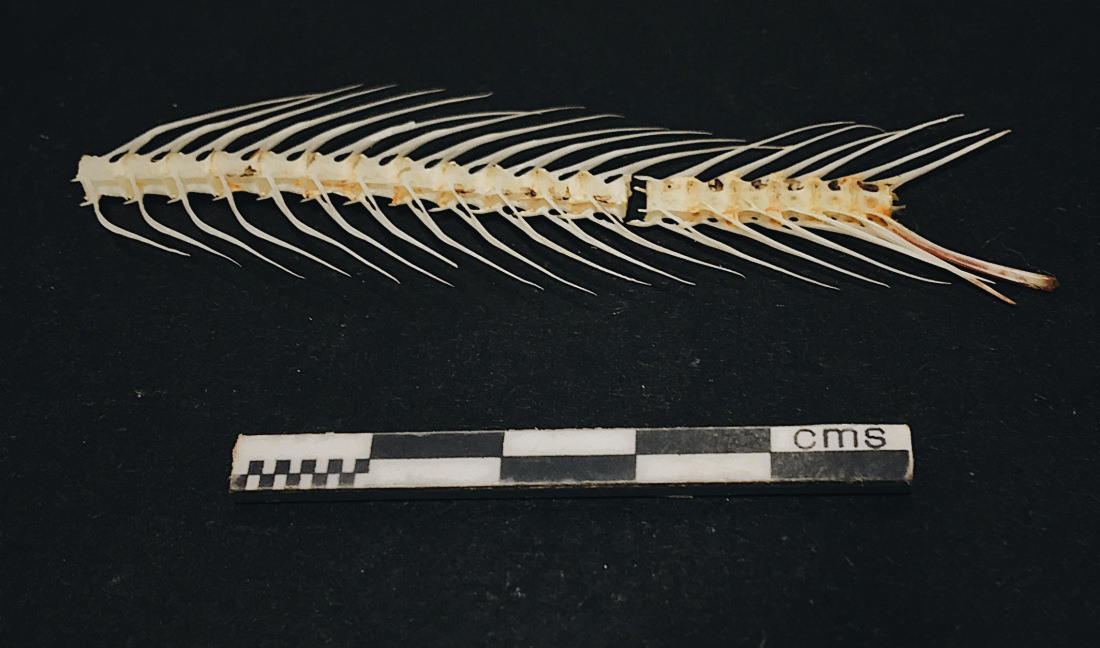
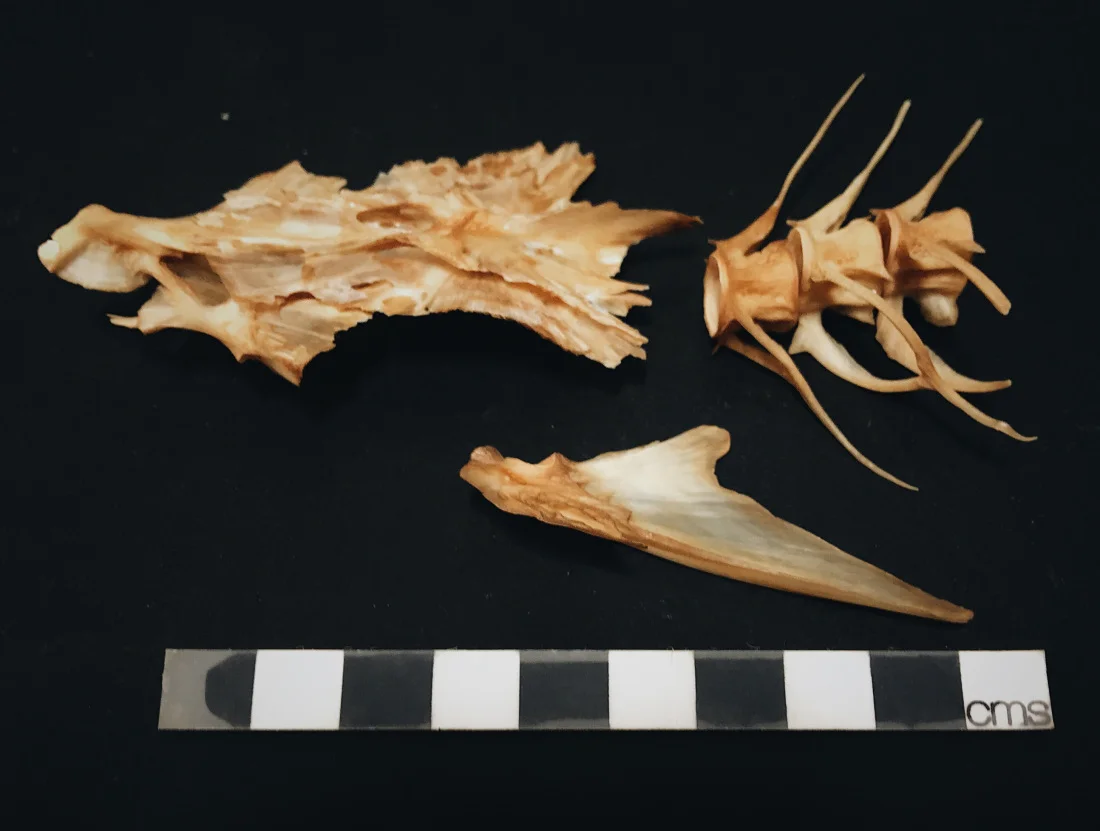
Alex and Simona attempt to make it through an entire episode of our most hated type of bone: fish bones. Listen as they talk about the difficulties of dealing with archaeological fish and why they are actually quite important! Oh, and lots of complaining. Ugh...fish bones.
Bibliography
Killgrove, K. (2019) Vat of Ancient Fish Sauce May Confirm Date that Pompeii Was Destroyed. Forbes.
Luff, R. (1984) Animal Remains in Archaeology
Great Britain: Shire Archaeology
Rackham, J. (1994) Interpreting the Past: Animal Bones
Ryder, M. L. (1968) Animal bones in archaeology
Great Britain: Blackwell Scientific Publications
Archaeological Fish Resource from the University of Nottingham
The North Atlantic Biocultural Organisation (NABO) Fish Identification Manual

Contact
Alex Fitzpatrick
Twitter: @archaeologyfitz
Simona Falanga
Twitter: @CrazyBoneLady
Music
"Coconut - (dyalla remix)"
Cities: The First 6000 Years - TAS 67
Whether you live in a city or not we all are familiar with cities and how they impact our lives. Some of us live in them and others just visit them when we need things or social interaction that we can’t get elsewhere. Our guest today has studied the history of the city and some of what Dr. Monica Smith has found may surprise you.
Links
Contact
Chris Webster
Insurgent Empire and the Lost Voices in Colonialism with Dr. Priyamvada Gopal - Modern Myth - Episode 3
In this episode of Modern Myth, we begin to unravel the lesser known history of colony and the nuacned ways in which people occupied the British Imperial space. Talking with Cambridge Reader, Dr. Priyamvada Gopal about her new book Insurgent Empire, Tristan asks what voices are unaccounted for in traditional retellings of the British Empire and why does that have an effect on the modern narrative. The many modern myths of colony are outlined and discussed as well as what the future holds in terms of solidarity with the world.
Links
Insurgent Empire - Verso Books
Twitter : @priyamvadagopal
@anarchaeologist
LithodomosVR and a Virtual Reality Update - ArchaeoTech 108
Virtual Reality has continued to capture imaginations and make people want to be places virtually since the expense of going can be high. We talked to Simon Young of LithodomosVR about their virtual archaeological tours back in January of 2017 and he's back now to give us an update on what they're doing.
Links
Lithodomos VR Apps
Search your devices app store for all Lithodomos VR Apps
Check out the Exlore App and use this code to activate (note: will only work for EVERYONE for a short time)
Code: 7OJpdbkqI
App of the Day
Contact
Chris Webster
Twitter: @archeowebby
Paul Zimmerman
Twitter: @lugal
Email: paul@lugal.com
Trapped by Security - CRMArch 166
Many of us have been, or are at, a job that just wasn't the right fit. Why did we stay? Why didn't we just leave and get another job? The answer is usually that we were trapped by security. The words "trapped" and "security", however, have different meanings to different people. We talk about all that on this week's episode.
Visit Our Sponsor: Oakum Solutions
Follow Our Panelists On Twitter
Bill @succinctbill; Doug @openaccessarch; Stephen @processarch; Bill A. @archaeothoughts; Chris W @Archeowebby, @DIGTECHLLC, and @ArchPodNet
Blogs:
Bill White: Succinct Research
Doug Rocks-MacQueen: Doug’s Archaeology
Stephen Wagner: Process - Opinions on Doing Archaeology
Chris Webster: Random Acts of Science
Cultural Landscapes Panel SAA2019 - HeVo 30
On today’s episode Jessica hosts a panel at the 2019 Society of American Archaeology conference on Cultural Landscapes. Panelists include Dr. Kisha Supernant (Métis) Associate Professor at the University of Alberta, Wade Campbell (Diné), Ph.D. student at Harvard, Michelle La Pena, attorney, writer, and former Pit River Tribal Councilwoman, Dr. Sean Gantt, Director of Education at Crow Canyon Archaeological Center, Kassie Rippee, Tribal Historic Preservation Officer of the Coquille Indian Tribe, and Briece Edwards, Deputy THPO for the Confederated Tribes of Grande Ronde. Some of the considerations discussed include cultural landscapes and movement, landscape change through time and as a result of colonialism, the ephemeral nature of some cultural landscapes, representation of cultural landscapes, and the challenges of understanding landscape from a western science perspective.
Links
Sean- 704-651-5825, segantt@gmail.com
Wade- campbell01@g.harvard.edu
Contact
Rock Artin' and Rollin' with Emily Van Alst - Ruins 03
Tonight’s guest, Emily Van Alst, is a Descendant of the Lakota Sioux Nation and works avidly in public outreach.. Although the Lakota and Pawnee are historical enemies; Carlton and Emily have chosen to put aside their tribal differences to deliver our listeners an awesome episode.
Emily Van Alst got started in anthropology at Yale University and she is currently a PhD student at Indiana University Bloomington
Her research interests include Rock Art, Gender, Indigenous Archaeology, Public Archaeology, Indigenous Feminism, and Ethnography
As a goal of this podcast is to provide our listeners with multi-faceted approaches to archaeology, we are super excited to talk with her tonight. So let’s count some coup and get this episode started.
Links
You can follow her twitter at @emilyvanawesome and her instagram @emilyvanawesome.
Contact
Instagram: @alifeinruinspodcast
Facebook: @alifeinruinspodcast
GPS Technology with Matt Alexander - ArchaeoTech 107
We’ve always wanted to have a GPS expert on the show to unpack terms and talk about the latest tech. Now we have it! Matt Alexander joins us to talk all things GPS and explain some of those terms you may have been wondering about.
Links
App of the Day
Contact
Chris Webster
Twitter: @archeowebby
Paul Zimmerman
Twitter: @lugal
Email: paul@lugal.com
CRM Archaeology, The Maya, and More with Dr. Amanda Harvey - TAS 66
Today’s show was recorded as a live radio show on KNVC, 95.1 FM, Carson Community Media in Carson City, Nevada on May 10th, 2019. Chris spoke with archaeologist Dr. Amanda Harvey about her career in archaeology which spans the Maya, the southeast, and the Great Basin.
Links
Contact
Chris Webster
Hunter's Hotpot - Animals 11
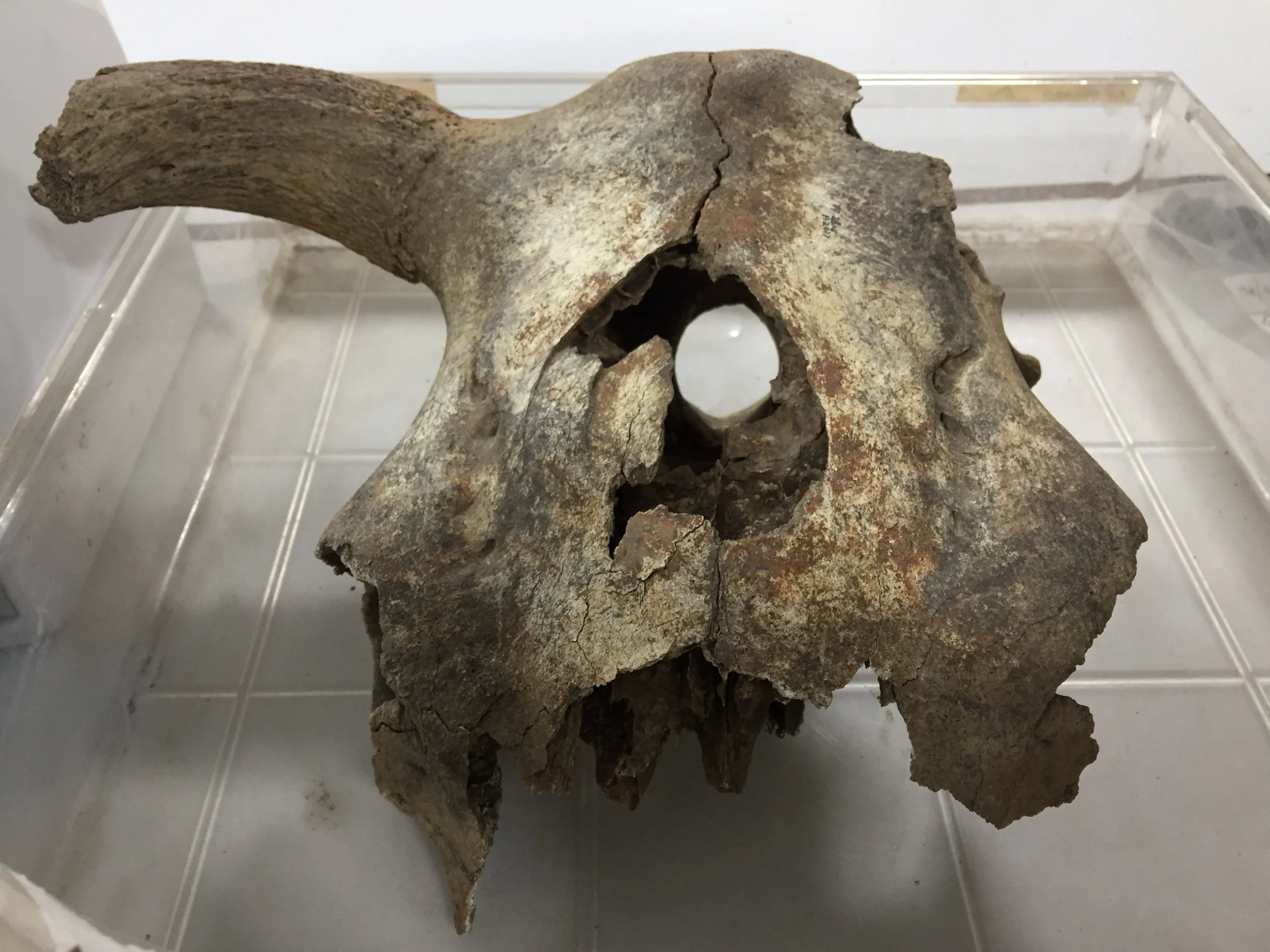
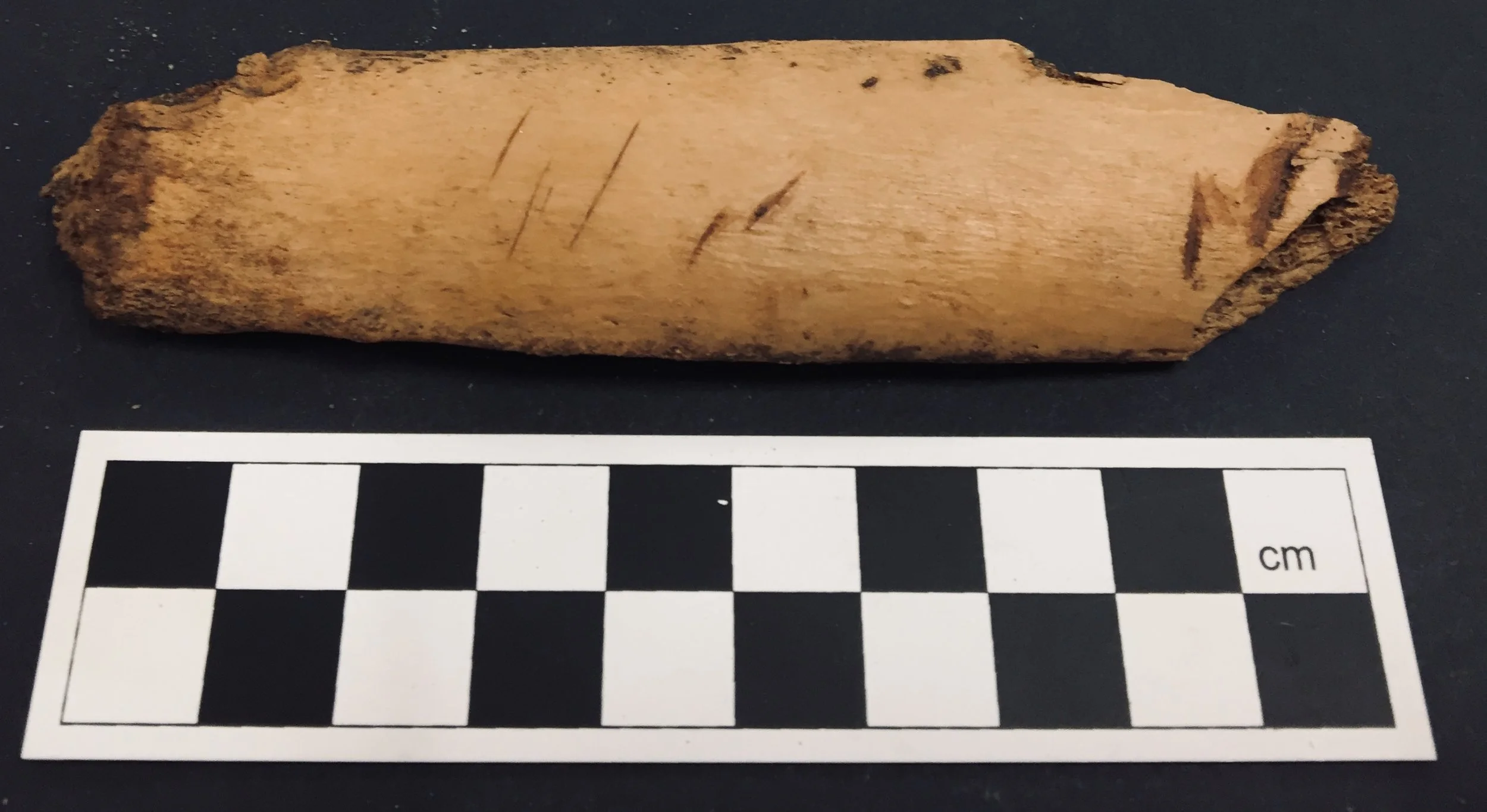
Alex and Simona are going ‘wild’ for this month’s episode. Tune in to find out more about wild animal remains in the archaeological record and what traces hunting and butchering may leave behind (some assumptions and biases MAY apply!).
Further Reading
Binford, L.R. (1981) Bones: Ancient Men and Modern Myths. San Diego, CA: Academic Press, INC.
O'Connor, T. (2000) The Archaeology of Animal Bones. Gloustershire: Sutton Publishing Ltd.
Rackham, J. (1994) Interpreting the past: Animal Bones
British Museum Press
Contact
Alex Fitzpatrick
Twitter: @archaeologyfitz
Simona Falanga
Twitter: @CrazyBoneLady
Music
"Coconut - (dyalla remix)"
Preservation vs Conservation and Cities of the Future - CRMArch 165
On today’s show we talk about preservation and conservation in the context of cities of the future. Where are all the old buildings in the architectural drawings and artist’s conceptions of the future? Where’s the old post office, hotel, or city building? Even in science fiction the cities of the future are ultra modern with no ties to the past. Is that OK? Or, should we be thinking about how our past and present tie into our future?
Links
Follow Our Panelists On Twitter
Bill @succinctbill; Doug @openaccessarch; Stephen @processarch; Bill A. @archaeothoughts; Chris W @Archeowebby, @DIGTECHLLC, and @ArchPodNet
Blogs:
Bill White: Succinct Research
Doug Rocks-MacQueen: Doug’s Archaeology
Stephen Wagner: Process - Opinions on Doing Archaeology
Chris Webster: Random Acts of Science