The Dig (2021) Reaction | Sutton Who?

In this episode, we give a big welcome to our new Project Assistant, Izzie, and discuss the new Netflix movie, The Dig! Just a warning this episode contains spoilers for The Dig. Tune in as we introduce Izzie, initial reactions/thoughts of The Dig, and chats on the accuracy of the film in contrast with the actual site and archaeology!
Recorded: 03/07/2021
Links
Show
Twitter: @idigitpodcast
Email: idigitpodcast@gmail.com
Alyssa
Instagram: aal.archaeology
Twitter: Lyssakemi
Michaela
Instagram: mm_digitalized
Twitter: m_mauriello
Affiliates
Ancient Hazelnuts, Artistic Neanderthals and a Pompeiian Chariot - TAS 116

This week in archaeology news we discuss three archaeology stories int he news. First up is an ancient hazelnut shell found in Scotland that has been radiocarbon dated to more than 10,000 years ago. Second, we discuss the growing evidence for Neandertal, Denisovan and early Homo Sapien collaborations and sharing of ideas that contributed to an explosion of creativity and art. Finally, Pompeii is back in the news! This time an intact ceremonial chariot was discovered, and we discuss this contribution to what we know about Pompeiian society in 79 CE.
Links
Hazelnut Shell Sheds Light on Life in Scotland More Than 10,000 Years Ago (Smithsonian Magazine)
Neanderthals helped create early human art, researcher says (The Guardian)
Contact
Chris Webster
Please Visit Our Sponsors!
Archaeology Southwest Cafe: https://www.archaeologysouthwest.org/things-to-do/cafe/
Affiliates
Archaeology of Childhood - Dirt 129

Amber and Anna examine how different ancient cultures viewed children and childhood. We’ll also discuss how the archaeological interpretation of the lives of children in the ancient past has shifted as we’ve gained more and more evidence.
Links
Why babies in medieval paintings look like ugly old men (Vox)
Role and Importance of Children in the Middle Ages (ThoughtCo.)
Childbirth, Childhood and Adolescence in the Middle Ages (ThoughtCo.)
Neanderthal children's footprints offer rare snapshot of Stone Age family life (ABC News
Neanderthal children shivered and suffered in ancient Europe (Science)
Neanderthal children grew and were weaned similar to us (EurekAlert)
Prehistoric children as young as eight worked as brickmakers and miners (Nature)
400,000-year-old 'School of Rock' Found in Prehistoric Cave in Israel (Ha’aretz)
These Miniature Tools Taught Ancient Children How to Hunt and Fight (Smithsonian)
What prehistoric toys can tell us about human evolution (ABC News)
Animation in Palaeolithic art: a pre-echo of cinema (Antiquity)
Make your own version of a Palaeolithic Toy and a Thaumatrope (Beanie and J's Creative Adventures)
Contact
Email the Dirt Podcast: thedirtpodcast@gmail.com
Affiliates
An Exploration of Sheffield's Ancient Village Suburbs with David Templeman - ArchandAle 36

Archaeology and Ale is a monthly series of talks presented by Archaeology in the City, part of the University of Sheffield Archaeology Department’s outreach programme. This month we are proud to host David Templeman speaking on "An Exploration of Sheffield's Ancient Village Suburbs
with David Templeman". This talk took place on Thursday, February 25th, 2021, online via Google Meets.
David is a retired businessman, having worked in the leisure trade most of his working life. With a lifelong interest in history, on retirement, he indulged that passion by joining Sheffield Manor Lodge initially as a guide. Since then he has become an accomplished speaker giving talks all over the country on Elizabethan history with local connotations. In 2016, he became an author when his book “Mary, Queen of Scots the Captive Queen in England 1568-87” was launched to critical acclaim. The book has now sold just under 3,000 copies and has become recognised as the definitive version of the English captivity of Mary, Queen of Scots. David is a Member of the Marie Stuart society of which he has developed close links. He is also chair of the Friends of Sheffield Manor Lodge, which has almost 400 Members, with the current Earl of Shrewsbury as their patron. Over the last few years, David has devoted his research into bringing the old Sheffield- the one prior to the 19th century back into the public domain with a number of very popular talks, none more so than the Ancient Suburbs series.
For more information about Archaeology in the City’s events and opportunities to get involved, please email archaeologyinthecity@sheffield.ac.uk or visit our website at archinthecity.wordpress.com. You can also find us on Twitter (@archinthecity), Instagram (@archaeointhecity), or Facebook (@archinthecity).
Follow along with the slides:
Affiliates
Find this show on the educational podcast app, Lyceum.fm!
Archaeological Sampling with Dr. Ted Banning - ArchaeoTech 150
Anyone working in archaeology has used some form of sampling strategy during the course of their work, whether they knew it or not. Most professions do something like this. Are we doing it right? Too much? Too little? Dr. Ted Banning recently published a paper in American Antiquity discussing the current state of sampling in the fied.
Links
Contact
Chris Webster
Twitter: @archeowebby
Paul Zimmerman
Twitter: @lugal
Email: paul@lugal.com
Our Ruined Lives with Erina Baci II - Ruins 47

In this edition of Our Ruined Lives, we are pleased to have Erina Baci return to the Podcast. Erina first appeared on Episode 7, way back in October 2019. We begin the show by catching up with her on what she has been up to since she first appeared on the podcast. We then delve into a discussion on the importance of geography and resources to people in the past, modern geopolitics, and how modern issues affect our current understanding of the past. This leads us to discuss an upcoming Memorandum of Understanding between the US and Albania and the potential implications of the MoU for Balkan Cultural Preservation. We close out the episode with Erina serving up some awesome advice for future and current graduate students.
Erina's Literature Recommendations:
Archaeological Guide of Kosova - Online PDF
The Illyrians by John Wilks
Evaluating social complexity and inequality in the Balkans between 6500 and 4200 BC by Marko Porčić (2019)
Archaeology as Bearing Witness By Hauser et al. (2018)
Contact For Guest
Erina's Instagram: @TheAlbanianArchaeologist
Erina's Twitter: @TheAlbanianArch
Erina's Blog: https://thealbanianarchaeologist.com/
Contact
Instagram: @alifeinruinspodcast
Facebook: @alifeinruinspodcast
Twitter: @alifeinruinspod
Website: www.alifeinruins.com
Affiliates
March Madagascarness - The Dirt 128
This week, Anna and Amber journey to the island of Madagascar. Yeah, sure, there were once man-sized lemurs there, but we’re talking about the people of Madagascar, how and when they arrived on the island, their history, archaeology, and more! Plus, Anna discovers that maps are super useful.
Links
Malagasy? Or is it Madagascan? Our research provides the answer (The Conversation)
Madagascar: Precolonial Era, Prior to 1894 (via the Wayback Machine)
Researchers confirm timeline of human presence on Madagascar (Phys.org)
Ancient Madagascar Shows Humans Make New Places Suit Them (Futurity)
Genomic landscape of human diversity across Madagascar (PNAS)
What are single nucleotide polymorphisms (SNPs)? (MedlinePlus)
Ancient rice 'first evidence' Madagascan ancestors crossed Indian Ocean from South-East Asia (ABC)
Ancient crops provide first archaeological signature of the westward Austronesian expansion (PNAS)
The culture history of Madagascar (Journal of World Prehistory)
Time and the ancestors: Landscape survey in the Andrantsay region of Madagascar (Antiquity, via ResearchGate)
Madagascar / The Great Island: Contemporary Artists from Madagascar (Google Arts + Culture)
Contact
Email the Dirt Podcast: thedirtpodcast@gmail.com
Affiliates
Letter packets, Diadems and Ancient Bogota - TAS 115
This week was packed full of interesting archaeology news stories, so join us for a discussion about the 3 that caught our eye! First up is a story about using x-ray microtomography to virtually unfold historical letters. Then, in segment 2 we cover a story about a burial site in Spain that indicates that the social and political rulers of the culture may have been women. Finally, we discuss an innovative new approach to studying Bogota's prehistoric irrigation system.
Links
Emblems and spaces of power during the Argaric Bronze Age at La Almoloya, Murcia
Ancient woman may have been powerful European leader, 4,000-year-old treasure suggests
Aerial Photographs Uncover Bogotá’s Indigenous Hydraulic System
Contact
Chris Webster
@archpodnet (Instagram and Twitter)
Please Visit Our Sponsors!
Archaeology Southwest Cafe: https://www.archaeologysouthwest.org/things-to-do/cafe/
Affiliates
Numic Scratched - Rock Art 32

On past episodes we've talked about "scratched" rock art as a style. Today we're going to talk about the California and western United States expression of that style, "Numic Scratched". What is it, where do you find it, how old is it, and how is it related to women?
Links
Marks of Distinction: Rock Art and Ethnic Identification in the Great Basin
New Light on Old Art: Recent Advances in Hunter-Gatherer Rock Art Research
Contact
Chris Webster
Dr. Alan Garfinkel
Affiliates
Cross Post with Josh Gurrero's 15 Questions with an Archaeologist feat. Michaela Mauriello - DigIt 25
Welcome to the second take over episode! This time Michaela was interviewed for the podcast 15 Questions with an Archaeologist with Joshua Gurrero with the Southeast Archeological Center. This episode aired on his channel 1 February 2021. Be sure to check out his channel and the other amazing interviews he has conducted.
Links
Contact
Show
Twitter: @idigitpodcast
Email: idigitpodcast@gmail.com
Alyssa
Instagram: aal.archaeology
Twitter: Lyssakemi
Michaela
Instagram: mm_digitalized
Twitter: m_mauriello
Affiliates
CRM Firms Should Train Future Field Techs - CRMArch 210
The 2020 field season was largely shortened by COVID - field schools were almost completely shut down. Even though we all played along like 2021 was going to be different, it looks like many field schools are already canceled. While this is happening CRM firms are demanding that university programs train students to know what CRM firms want them to know. The answer is obvious: CRM firms should train students in CRM though internships and partner programs. This week...on the CRM Archaeology Podcast.
Follow Our Panelists On Twitter
Bill @succinctbill; Doug @openaccessarch; Stephen @processarch; Bill A. @archaeothoughts; Chris W @Archeowebby, @DIGTECHLLC, and @ArchPodNet
Blogs:
Bill White: Succinct Research
Doug Rocks-MacQueen: Doug’s Archaeology
Stephen Wagner: Process - Opinions on Doing Archaeology
Chris Webster: Random Acts of Science
Affiliates
Anna's Birthday Podcastle - Dirt 127
This episode happens to fall within Anna's birthday week, so Amber has very kindly indulged Anna's childhood love of knights, castles, magic, and adventure. This week, we're exploring Arthurian legend, and some of the...unique legacies it has left behind. We firmly establish that Arthur had TWO different swords. We also confirm that no, Robin Hood was not a Knight of the Round Table. Plus, the Yelp review that made Amber laugh until she cried.
Links
Guide to the classics: the Arthurian legend (The Conversation)
King Arthur’s Ancestor, the Legendary Brutus of Troy, Is Focus of New Biography (Children of Arthur)
The Literary Development of the Arthurian Legend (World History Encyclopedia)
Great Riddles in Archaeology: King Arthur, Camelot, and the Quest for a Holy Grail (Penn Museum)
How Medieval Times survives in the digital age (Toronto Star)
Well Met: Renaissance Faires and the American Counterculture
The Utopian Vision That Explains Renaissance Fairs (Bloomberg CityLab)
Contact
Email the Dirt Podcast: thedirtpodcast@gmail.com
Affiliates
Near Eastern Archaeology with Maria Diget Sletterød - Ruins 46
In this episode, we are pleased to introduce Maria Diget Sletterød, a Danish archaeologist studying the Pre-pottery Neolithic in the Near East at the University of Copenhagen. We start off with a brief introduction as to how the hosts found Maria which was through an Archaeologists in Quarantine episode with Carlton hosted by Tash. Then we delve into her diverse archaeological research and excavation projects and how she has worked all across the Near East and Europe. David and Maria swap stories about visiting/working in Israel. We follow up with a discussion on Maria's thesis work and where the discipline of archaeology fits in the Danish educational system and what exactly is the "Pre-pottery Neolithic". We close the episode out by asking Maria about what it's like to work in the Near East, a region that is known in the American media for being geopolitically tenuous.
Contact For Guest:
Maria's Instagram: @maria_archaeology
Maria's Email: mariaconstanze@hotmail.dk
Maria's Source Recommendations:
The Agricultural Revolution in Prehistory: Why did Foragers become Farmers- by Graeme Barker
The Archaeology of Mesopotamia - By Roger Matthews
The Oxford History of Ancient Egypt - By Ian Shaw
Contact
Instagram: @alifeinruinspodcast
Facebook: @alifeinruinspodcast
Twitter: @alifeinruinspod
Website: www.alifeinruins.com
Affiliates
Timelines - Egypt, Peru and China: 2600-2500 BCE - TAS 114
For the last few months we’ve been talking about a new type of episode and here’s the first one: welcome to Timelines. This idea is all about taking an anchor event or time period that pretty much everyone has heard about and then looking at what was happening in other parts of the world at the same time. The idea is that sometimes these big anchor events can overshadow other really important things. Our first episode has the building of the pyramids at Giza in Egypt as the anchor. We also talk about what’s happening in Peru and China at the same time.
Links
Egypt
Caral in Peru
China: Majiayao Culture
Contact
Chris Webster
Please Visit Our Sponsors!
Archaeology Southwest Cafe: https://www.archaeologysouthwest.org/things-to-do/cafe/
Affiliates
Barrier Canyon Style Rock Art of Utah with David Sucec - Rock Art 31
David Sucec is Director of the Barrier Canyon Style (BCS) Rock Art of Utah. BCS is one of the more remarkable rock art expressions in North America. It dates from as early as 7,000 to 2,000 years ago and is mainly a polychrome painted style. The patterned expressions adorn the dramatic canyons of the spectacular Utah topography. The images are haunting and consist of very small but many times very large images of decorated and "floating" spirit figures. Sucec has dedicated over 30 years to the proper recording of this world class rock art tradition through detailed photographic imaging. Our discussion will focus on why has Barrier Canyon rock been so evocative and intriguing. We are honored to have Sucec share the story of his odyssey with BCS!
Links
Contact
Chris Webster
Dr. Alan Garfinkel
Affiliates
Kicking Tech Phobias with Eric Olson - Archaeotech 149
Eric Olson joins us again as a special guest host to discuss how to overcome the fears that keep us from learning about and trying out new (or at least new to us) tech. Paul and Eric share advice, tips, and even some of their own fears and explore great ways to start with GIS, R, programming, and more.
Links
Subreddits of interest:
Contact
Chris Webster
Twitter: @archeowebby
Paul Zimmerman
Twitter: @lugal
Email: paul@lugal.com
Affiliates
Reclaiming Culture Through Archaeology - HeVo 49

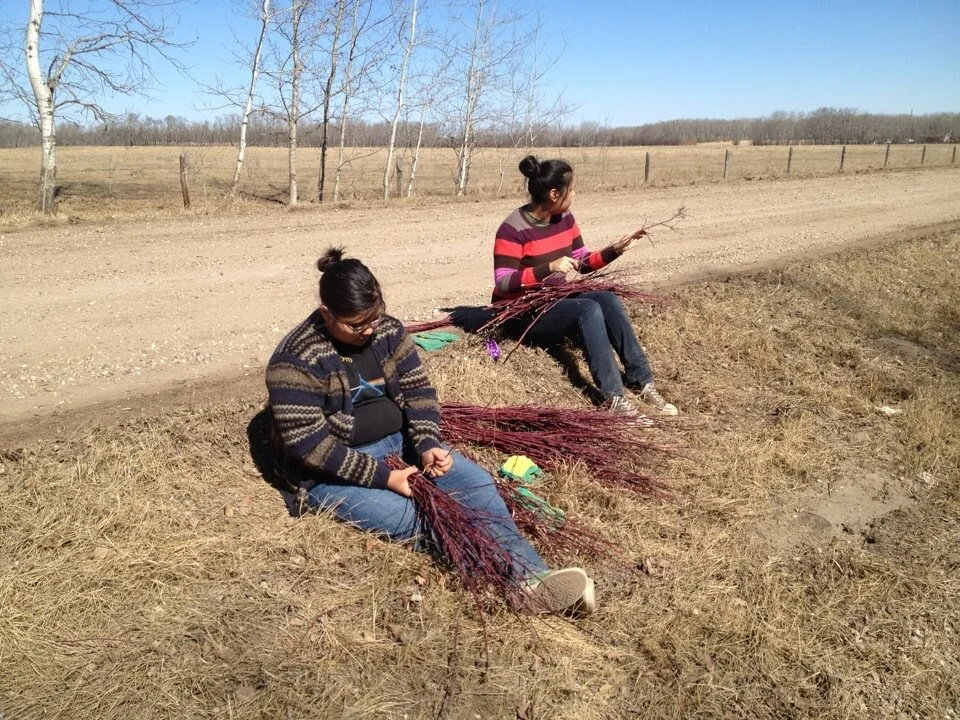
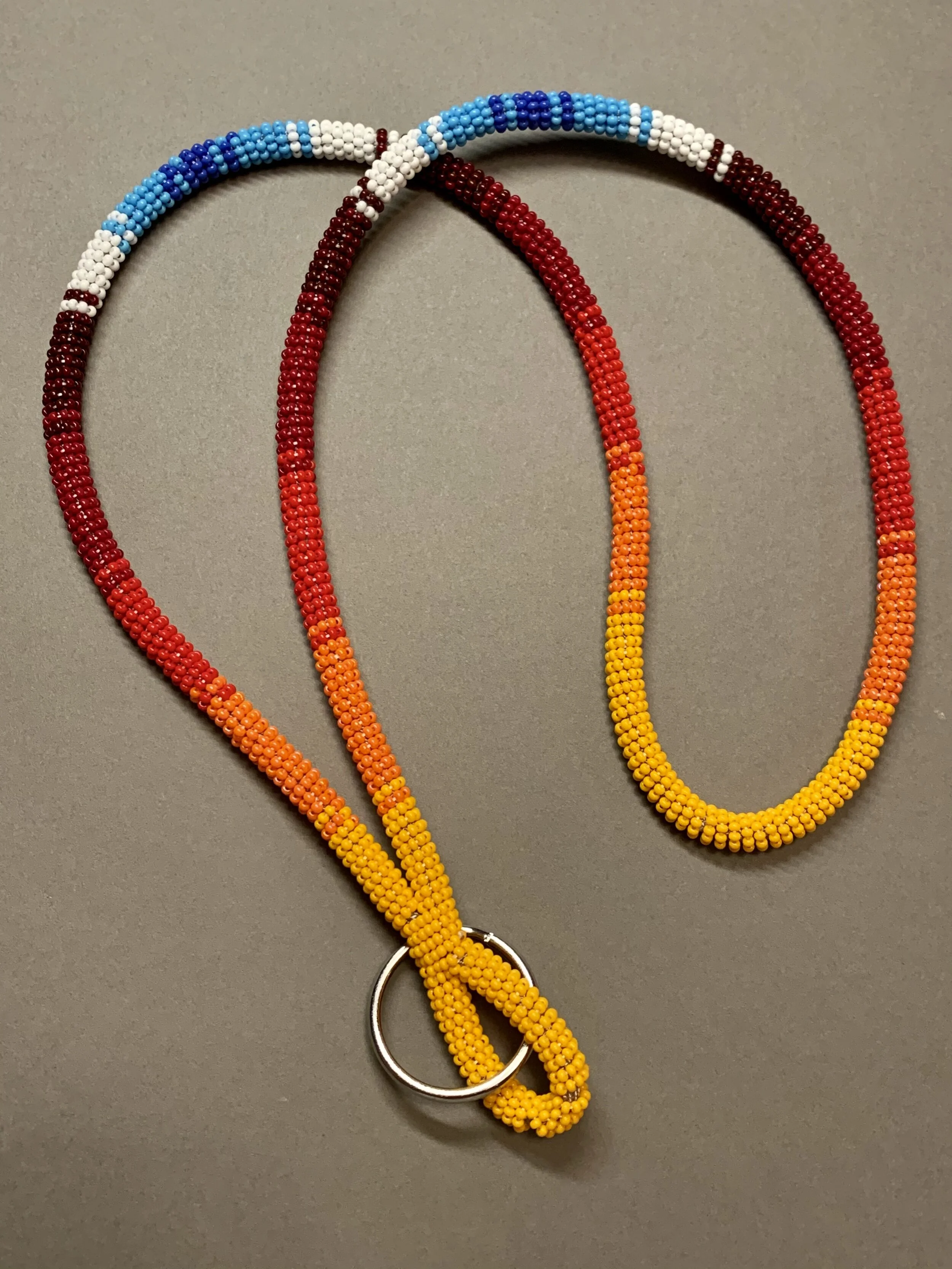
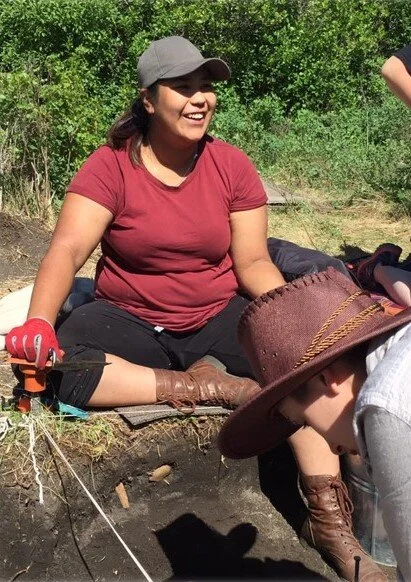
Today’s podcast features Honey Constant (Sturgeon Lake First Nation), a Masters Student at the University of Saskatchewan and Senior Interpretive Guide at Wanuskewin Heritage Park. We travel through her journey as an Indigenous woman towards a career in Plains Indigenous public archaeology. A few of the topics we cover include Indigenous representation, intergenerational trauma from residential schools, as well as reconciliation, Indigenous Place Names, and navigating virtual vs. in person consultations, interviews, and education during the COVID-19 pandemic.
Links
Wanuskewin Heritage Parks Snax and Facts Facebook Live with Dr. Kisha Supernant

Contact
Jessica
Lyle
Please Visit Our Sponsors
Archaeology Southwest Cafe: https://www.archaeologysouthwest.org/things-to-do/cafe
Affiliates
Crucibles, Pubs and 'Slums': An overview of Industrial Archaeology in Sheffield with Richard Jackson - Arch and Ale 35
Archaeology and Ale is a monthly series of talks presented by Archaeology in the City, part of the University of Sheffield Archaeology Department’s outreach programme. This month we are proud to host Richard Jackson speaking on "Crucibles, Pubs and 'Slums': An overview of Industrial Archaeology in Sheffield." This talk took place on Thursday, January 28th, 2021, online via Google Meets.
Richard Jackson from ArcHeritage is a veteran field archaeologist with 17 years of experience, including community outreach, landscape surveying, building conservation, and excavating management. Richard is an expert in post-medieval ceramics and industrial archaeology. In this talk, Richard speaks on the people, places, and secrets that created Sheffield's unique technique of producing steel during the industrial period.
For more information about Archaeology in the City’s events and opportunities to get involved, please email archaeologyinthecity@sheffield.ac.uk or visit our website at archinthecity.wordpress.com. You can also find us on Twitter (@archinthecity), Instagram (@archaeointhecity), or Facebook (@archinthecity)
Links
Affiliates
Find this show on the educational podcast app, Lyceum.fm!
A Little Bit of Zooarch, a Little Bit of Palaeontology...Let's Talk Megafauna and Extinct Species - Animals 32
Picture a world where dormice are the size of cats and hyenas roamed around Europe: welcome to the Pleistocene! Upon suggestion from one of our listeners, we explore the time period where zooarchaeology and palaeontology overlap.
Bibliography
Palombo, M.R. (2001). Endemic elephants of the Mediterranean Islands: knowledge, problems and perspectives. The World of Elephants, Proceedings of the 1st International Congress (October 16–20, 2001, Rome): 486–491.
https://www.amnh.org/exhibitions/mythic-creatures/land/greek-giants
Leighton, R (1999) Sicily Before History: An Archaeological Survey from the Palaeolithic to the Iron Age, Cornell University Press
https://beta.capeia.com/paleobiology/2017/09/21/the-lost-world-of-island-dwarfs-and-giants
Kurten, B. (2007) Pleistocene Mammals of Europe, USA: Aldine Transaction
https://twilightbeasts.org/2014/04/28/the-forgotten-sabretooth/
Pettitt, P. B., Bahn, P. & Ripoll, S. (2007). Palaeolithic Cave Art at Creswell Crags in European Context. Oxford University Press.
Charles, R., and Jacobi, R.M. (1994) "The lateglacial fauna from the Robin Hood Cave, Creswell Crags: a re-assessment." Oxford journal of archaeology 13.1: 1-32.
Moleón, Marcos, et al. (2020) "Rethinking megafauna." Proceedings of the Royal Society B 287.1922
Contact
Alex FitzpatrickTwitter: @archaeologyfitz
Simona FalangaTwitter: @CrazyBoneLady
Alex’s Blog: Animal Archaeology
Music "Coconut - (dyalla remix)" https://www.youtube.com/watch?v=_2UiKoouqaY
Affiliates
Find this show on the educational podcast app, Lyceum.fm!
The Dirt Caves In: LIVE! - Dirt 126
If you were a pre-Homo sapiens hominin, the place to see and be seen was Africa in what is today colloquially known as the Cradle of Humankind. True to form, we're late to the party, but come along with us anyway for a tour of the cave sites that revolutionized paleoanthropology.
Thank you to everyone who came out to the live show!
Links
Oldest Homo sapiens bones ever found shake foundations of the human story (The Guardian)
Scientists discover the oldest Homo sapiens fossils at Jebel Irhoud, Morocco (Phys.org)
Skull Fossils in Cave Show Mix of Human Relatives Roamed South Africa (The New York Times)
Contemporaneity of Australopithecus, Paranthropus, and early Homo erectus in South Africa (Science)
‘Little Foot’ hominin emerges from stone after millions of years (Nature)
World’s oldest camp bedding found in South African cave (Science)
Fire and grass-bedding construction 200 thousand years ago at Border Cave, South Africa (Science)
200,000 years ago, humans preferred to kip cozy (Science Daily)
South Africa’s Blombos cave is home to the earliest drawing by a human (The Convo)
Contact
Email the Dirt Podcast: thedirtpodcast@gmail.com