
This is a podcast from the Archaeology Podcast Network about the relationship between animals and humans on archaeology sites - it’s called Zooarchaeology and we have a couple of experts, Alex Fitzpatrick and Simona Falanga, to guide you through it.
The Zooarchaeology of ArchaeoAnimals - Ep 65

In this final episode of ArchaeoAnimals, Alex and Simona look back to over five years of podcasting about the archaeology of animal remains. From the very beginnings, to some of the running themes, recurring characters and inside jokes, this episode is an introspective journey into ArchaeoAnimals. Tune in for some of our favourite ArchaeoAnimals moments, we hope you’ll enjoy them as much as we did.
Transcripts
Links and Sources
Aerts, S. (2022) The Secret Life of Beetles. Wessex Archaeology.
Daley, J. (2016) A Brief History of Bog Butter. Smithsonian Magazine.
Davis, J. (2020) Giant Dormice the Size of Cats used to Live on Sicily. Natural History Museum.
Hayward, L. (2023) A Guide to Pliny the Elder’s Natural History. The Collector.
Killgrove, K. (2019) Vat of Ancient Fish Sauce may Confirm Date that Pompeii was Destroyed. Forbes.
Lyons, K. (2018) Knickers the Cow: Why Australia’s Giant Steer is so Fascinating. The Guardian.
Contact
Alex FitzpatrickTwitter: @archaeologyfitz
Simona FalangaTwitter: @CrazyBoneLady
Alex’s Blog: Animal Archaeology
Music "Coconut - (dyalla remix)" https://www.youtube.com/watch?v=_2UiKoouqaY
Affiliates
Motley Fool
Save $110 off the full list price of Stock Advisor for your first year, go to https://zen.ai/apnfool and start your investing journey today!
*$110 discount off of $199 per year list price. Membership will renew annually at the then current list price.
Laird Superfood
Are you ready to feel more energized, focused, and supported? Go to https://zen.ai/thearchaeologypodnetworkfeed1 and add nourishing, plant-based foods to fuel you from sunrise to sunset.
Liquid I.V.
Ready to shop better hydration, use my special link https://zen.ai/thearchaeologypodnetworkfeed to save 20% off anything you order.
Fine, Let's Rank Our Favourite Animal Bones - Ep 51
In this episode of ArchaeoAnimals, Alex and Simona put their party hats on to discuss their favourite animal bones as a (slightly belated) celebration of the first 50 episodes of the podcast!
Transcripts
Contact
Alex FitzpatrickTwitter: @archaeologyfitz
Simona FalangaTwitter: @CrazyBoneLady
Alex’s Blog: Animal Archaeology
Music "Coconut - (dyalla remix)" https://www.youtube.com/watch?v=_2UiKoouqaY
Affiliates
Where in the World? Part Five: The Zooarchaeology of Oceania - Ep 49
Welcome to episode three of a miniseries focusing on the zooarchaeology of various world regions. Join us on a journey to Oceania as we learn about the natural history and anatomy of the most prominent wild and domesticated species found in the area. Tune in to learn more about creatures such as the cassowary, thylacine and platypus.
Transcripts
Sources
Álvarez-Varas, R., Barrios-Garrido, H., Skamiotis-Gómez, I., & Petitpas, R. (2020). Cultural role of sea turtles on Rapa Nui (Easter Island): Spatial and temporal contrast in the Pacific island region. Island Studies Journal, 15, 253-270.
Bessarab, D., & Forrest, S. (2017). Anggaba jina nimoonggoon: Whose knowledge is that? Aboriginal perspectives of community development. Mia Mia Aboriginal Community Development: Fostering cultural security. Cambridge: University Press, Cambridge, 1-18.
Bino, G. et al. (2019). The platypus: evolutionary history, biology, and an uncertain future. Journal of mammalogy, 100(2), 308-327.
DiNapoli, R. J., Lipo, C. P., & Hunt, T. L. (2021). Triumph of the Commons: Sustainable Community Practices on Rapa Nui (Easter Island). Sustainability, 13(21), 12118.
Douglass, K. et al. (2021). Late Pleistocene/Early Holocene sites in the montane forests of New Guinea yield early record of cassowary hunting and egg harvesting. Proceedings of the National Academy of Sciences, 118(40), e2100117118.
Field, J. et al. (2000). ‘Coming back’ Aborigines and archaeologists at Cuddie Springs. Public Archaeology, 1(1), 35-48.
Field, J., & Dodson, J. (1999). Late Pleistocene megafauna and archaeology from Cuddie Springs, south-eastern Australia. In Proceedings of the Prehistoric Society (Vol. 65, pp. 275-301). Cambridge University Press.
Hartnup, K. et al. (2011). Ancient DNA recovers the origins of Māori feather cloaks. Molecular Biology and Evolution, 28(10), 2741-2750.
Hofman, C. A., Rick, T. C., Fleischer, R. C., & Maldonado, J. E. (2015). Conservation archaeogenomics: ancient DNA and biodiversity in the Anthropocene. Trends in ecology & evolution, 30(9), 540-549.
Jackson, S. (2010). Koala: Origins of an Icon. Allen and Unwin.
Lawal, R. A., & Hanotte, O. (2021). Domestic chicken diversity: Origin, distribution, and adaptation. Animal Genetics, 52(4), 385-394.
Paddle, R. (2002) The last Tasmanian Tiger: the history and extinction of the Thylacine. Cambridge University Press.
Shipman, P. (2021). What the dingo says about dog domestication. The Anatomical Record, 304(1), 19-30.
Skippington, J., Manne, T., & Veth, P. (2018). Macropods and measurables: A critical review of contemporary isotopic approaches to palaeo-environmental reconstructions in Australian zooarchaeology. Journal of Archaeological Science: Reports, 17, 144-154.
Tsang, R. et al. (2021). Rock Art and (Re) Production of Narratives: A Cassowary Bone Dagger Stencil Perspective from Auwim, East Sepik, Papua New Guinea. Cambridge Archaeological Journal, 1-19.
Contact
Alex FitzpatrickTwitter: @archaeologyfitz
Simona FalangaTwitter: @CrazyBoneLady
Alex’s Blog: Animal Archaeology
Music "Coconut - (dyalla remix)" https://www.youtube.com/watch?v=_2UiKoouqaY
Affiliates
So You Want to be a Zooarchaeologist? - Ep 28
Interested in becoming a zooarchaeologist? Alex and Simona discuss how to get into zooarchaeology and their personal experiences within the discipline.
Links
Albarella, U., Rizzetto, M., and Russ. H. (2017) The Oxford Handbook of Zooarchaeology. Oxford University Press.
Gifford-Gonzalez, D. (2018) An Introduction to Zooarchaeology. Springer.
O'Conner, T. (2000) The Archaeology of Animal Bones. Texas A&M University Press.
Reitz, E.J. and Wing, E.S. (1999) Zooarchaeology. Cambridge University Press.
Sykes, N. (2014) Beastly Questions: Animal Answers to Archaeological Issues. Bloomsbury Academic.
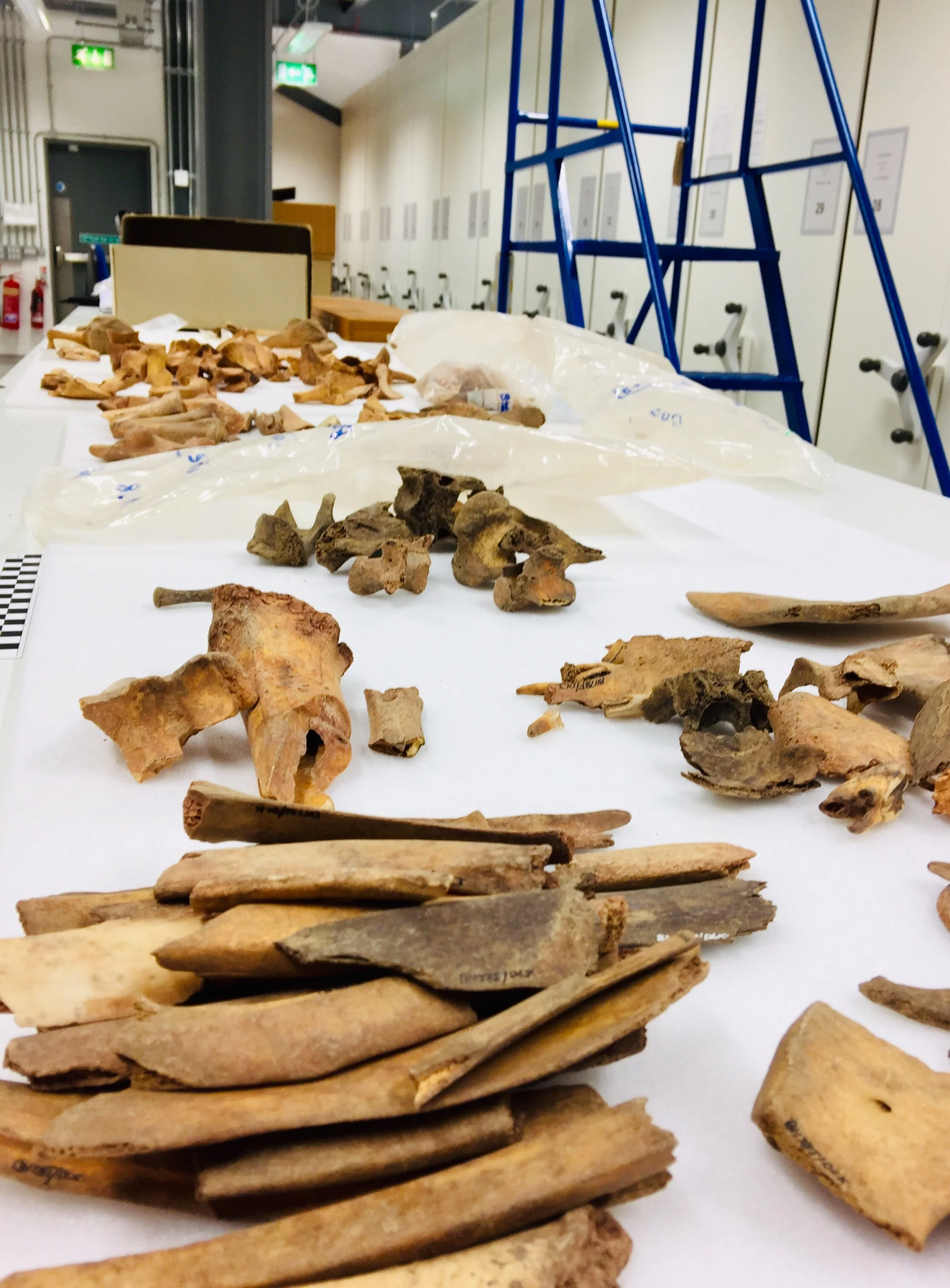
Looking at animal bones at the National Museum of Scotland.
Contact
Alex FitzpatrickTwitter: @archaeologyfitz
Simona FalangaTwitter: @CrazyBoneLady
Alex’s Blog: Animal Archaeology
Music "Coconut - (dyalla remix)" https://www.youtube.com/watch?v=_2UiKoouqaY
Affiliates
Find this show on the educational podcast app, Lyceum.fm!
Applied Zooarchaeology: primitive breeds today - Ep 23
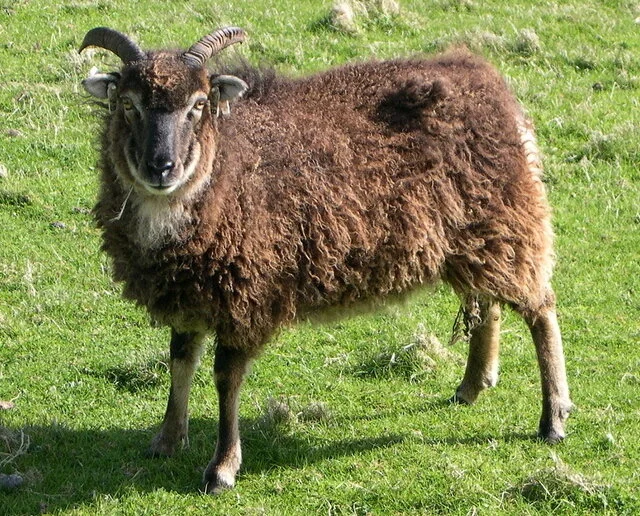
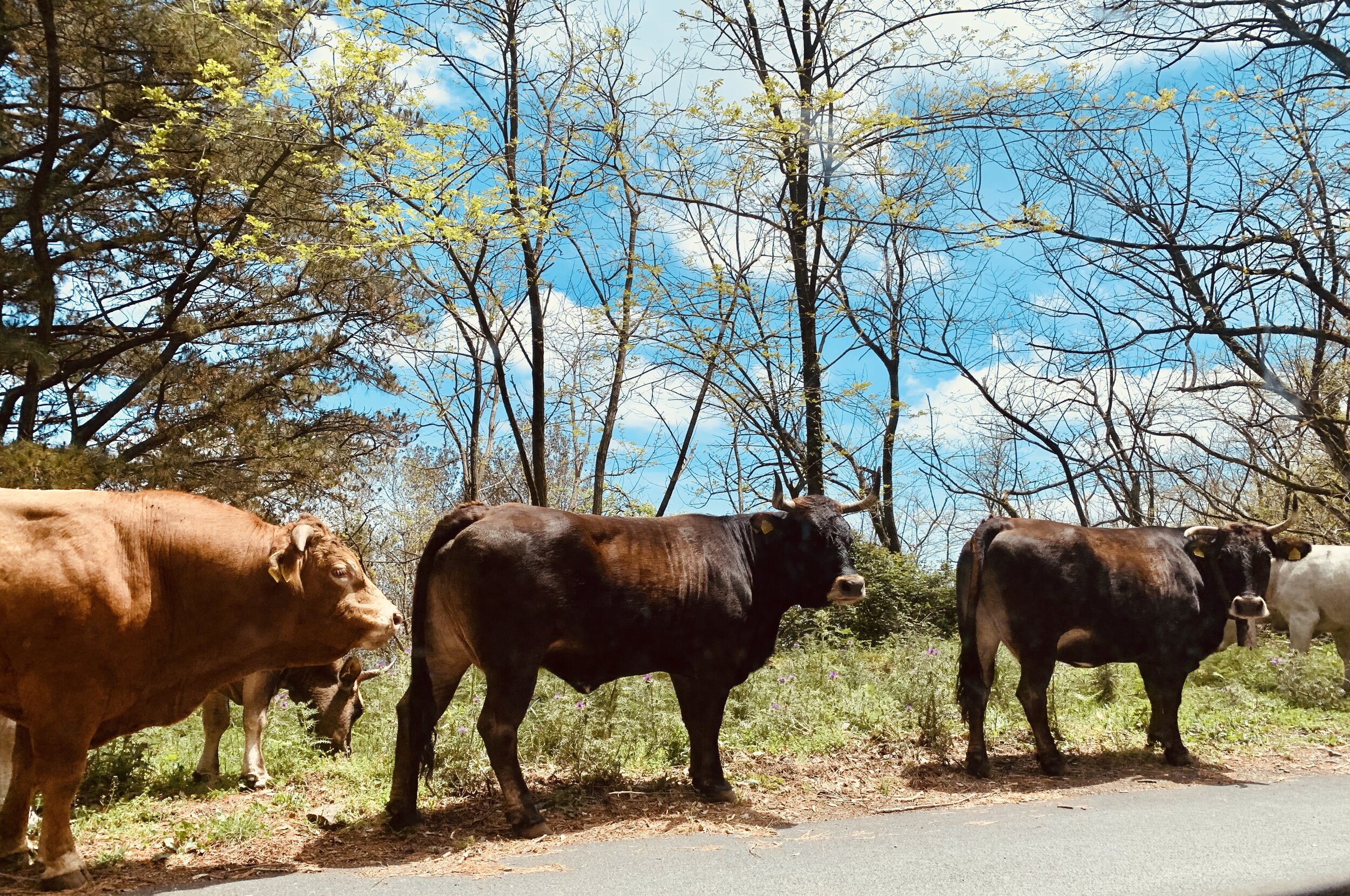
In this episode, Alex and Simona tackle the field of applied zooarchaeology. Learn more about how zooarchaeological data sets can be applied to conservation science, as well as discovering a range of (incredibly cute) archaic breeds of domesticates still around today.
Links
https://rewildingeurope.com/rewilding-in-action/wildlife-comeback/tauros/
https://www.sciencemag.org/news/2018/02/ancient-dna-upends-horse-family-tree#
https://www.acsedu.com/info/animal-farming/cattle-farming/old-cattle-breeds.aspx
https://livestockconservancy.org/index.php/resources/internal/heritage-cattle-breeds
Contact
Alex FitzpatrickTwitter: @archaeologyfitz
Simona FalangaTwitter: @CrazyBoneLady
Alex’s Blog: Animal Archaeology
Music "Coconut - (dyalla remix)" https://www.youtube.com/watch?v=_2UiKoouqaY
Affiliates
Find this show on the educational podcast app, Lyceum.fm!
A Horse, Of Course - Ep 9
On today's episode of ArchaeoAnimals, we'll be talking about horse bones! Why are they so venerated in the past? How is this reflected in the way we find horse burials? And why are their bones just so large and scary?!
We were also joined by two zooarchaeology researchers, Rúnar Leifsson and Albína Hulda Pálsdóttir, who have told us all about their fascinating research on Icelandic horses!
Links
Read more about their project here: https://titan.uio.no/node/3154
You can check our Runar’s research at the following link: https://opinvisindi.is/handle/20.500.11815/1004
Albína’s project website: https://www.mn.uio.no/cees/english/research/projects/690456/index.html
You can follow Albína on Twitter at: https://twitter.com/AlbinaIcelander
Bibliography
Hillson, S. (1992) Mammal Bones and Teeth: An Introductory Guide to Methods of Identification. London: University College London Institute of Archaeology
Fagan, B. (2015) The Intimate Bond: How animals shaped human history. London: Bloomsbury Press
Contact
Alex Fitzpatrick
Twitter: @archaeologyfitz
Simona Falanga
Twitter: @CrazyBoneLady
Music
"Coconut - (dyalla remix)"
Cryptozoology (featuring Archaeological Fantasies) - 5
Today's show is a crossover special with archaeology podcast "Archaeological Fantasies"!
Cryptids are creatures from fiction, folklore, and fantasy. There have been many alleged cases of "zooarchaeological evidence" to prove the existence of certain imaginary creatures, but most of these tend to be poorly identified real animal remains. Of course, there are some instances of intentional hoaxes, where creative manipulation and taxidermy have been used to create fake evidence (see: PT Barnum and other roadside attractions).
Further Reading
- Loxton, D. and Prothero, D.R. (2013) Abominable Science: Origins of the Yeti, Nessie, and Other Famous Cryptids. Columbia University Press.
- http://www.thecarpetbagger.org/2013/01/straight-out-of-fiji-merman.html
Contact
Alex Fitzpatrick
Twitter: @archaeologyfitz
Simona Falanga
Twitter: @CrazyBoneLady
Music
"Coconut - (dyalla remix)"
Who Let The Dogs Out? Ep 3
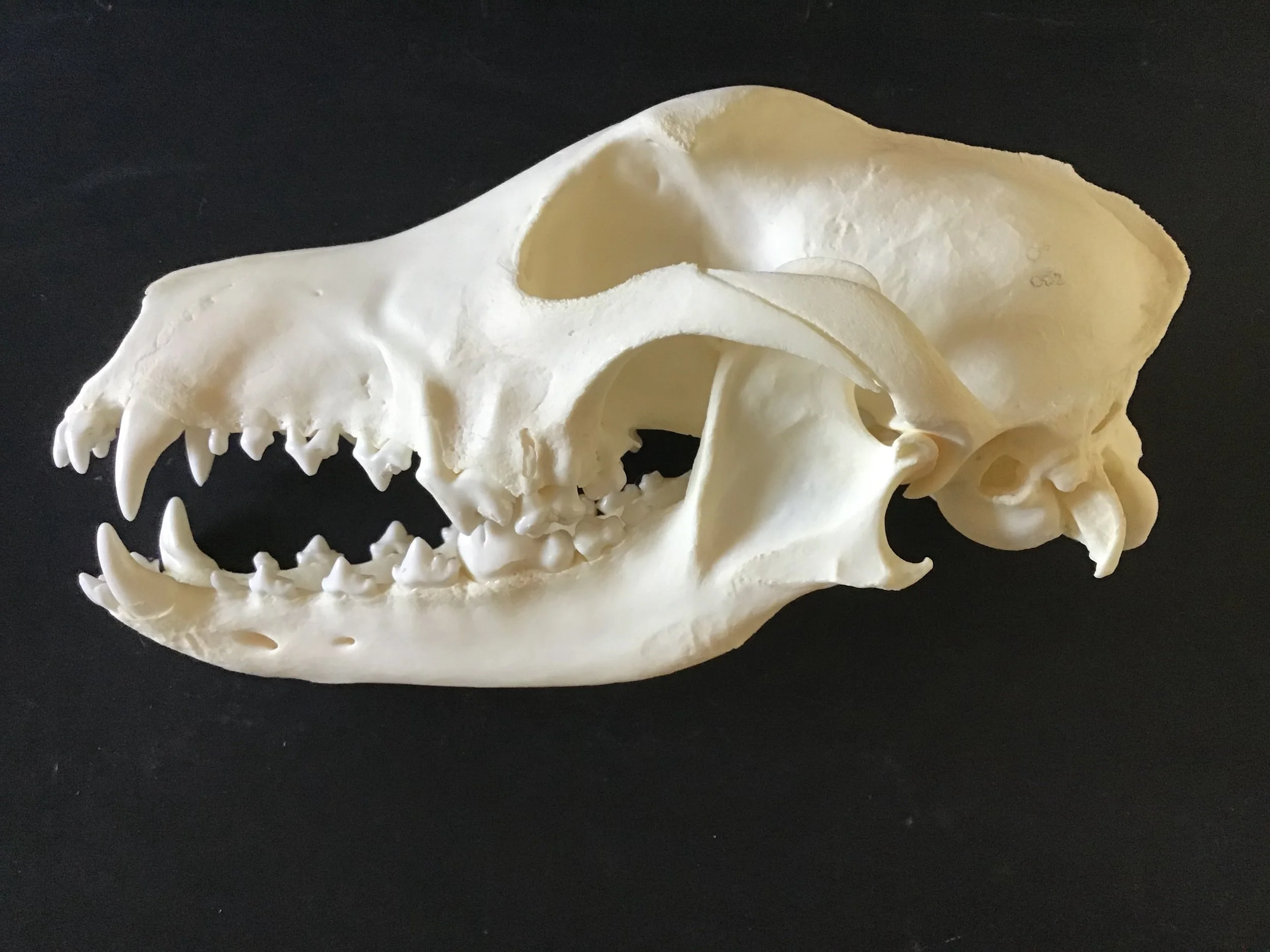
The skeletal remains of dogs are simultaneously very distinct in their characteristics, but also very similar to other animals. Compare a dog skull to grey seals or foxes to see what we mean!
Dogs seem to have had a special relationship with humans - this can be observed in some burial and ritual rites involving dog remains. There is currently a lot of interesting research happening that combines aDNA (ancient DNA) analysis with zooarchaeology to better understand human-dog relations and the domestication of the dog over time.
Due to breeding techniques, the skulls of certain modern dogs have been transformed beyond recognition - if you're brave enough, Google some of the breeds we mention in the episode.
And we unfortunately have no idea who let the dogs out still...sorry.
Further Reading
Fagan, B. (2015) The Intimate Bond: How animals shaped human history
London: Bloomsbury Press
Toynbee, J.M.C. (2013) Animals in Roman Life & Art
Barnsley: Pen & Sword
Merrifield, R. (1987) The Archaeology of Ritual and Magic
London: Guild Publishing London
Van Grouw, K. (2018) Unnatural Selection
Oxfordshire: Princeton University Press
Houlbrook, C. and Armitage, N. (2015) The Materiality of Magic. Oxford: Oxbow Books.
Links
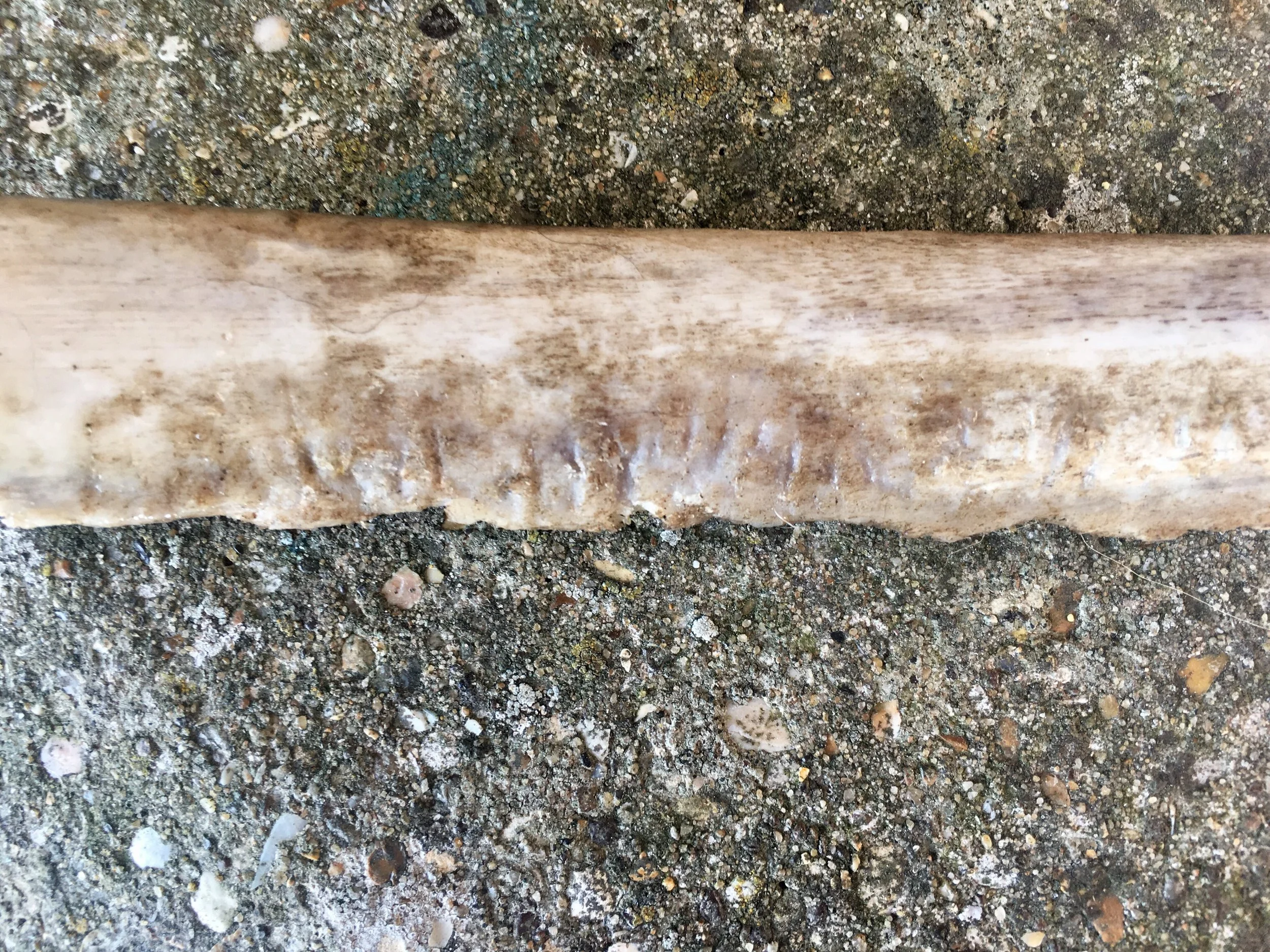
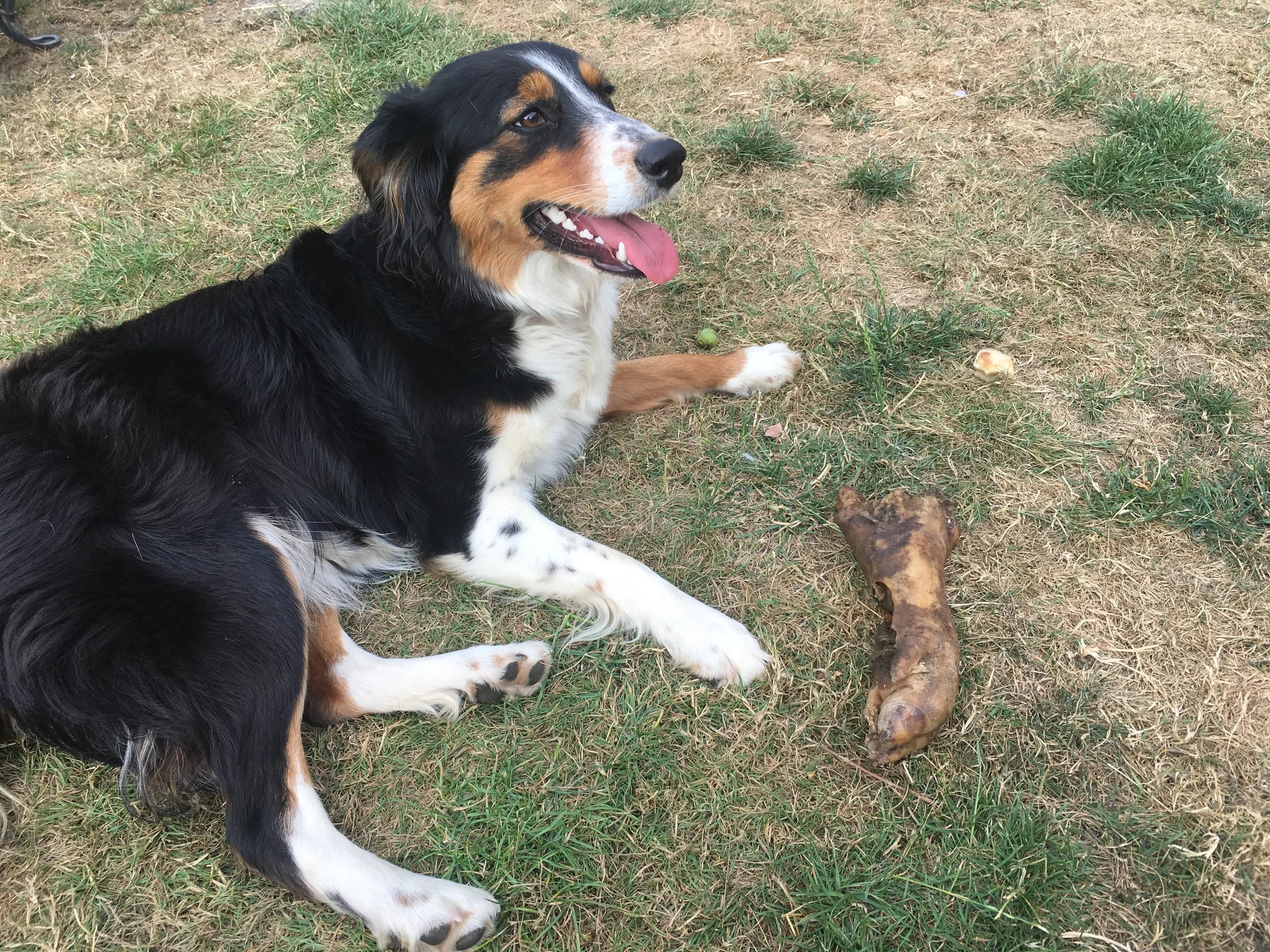
Contact
Alex Fitzpatrick
Twitter: @archaeologyfitz
Simona Falanga
Twitter: @CrazyBoneLady
Music
"Coconut - (dyalla remix)"
Old McDonald Had A Farm - Episode 2
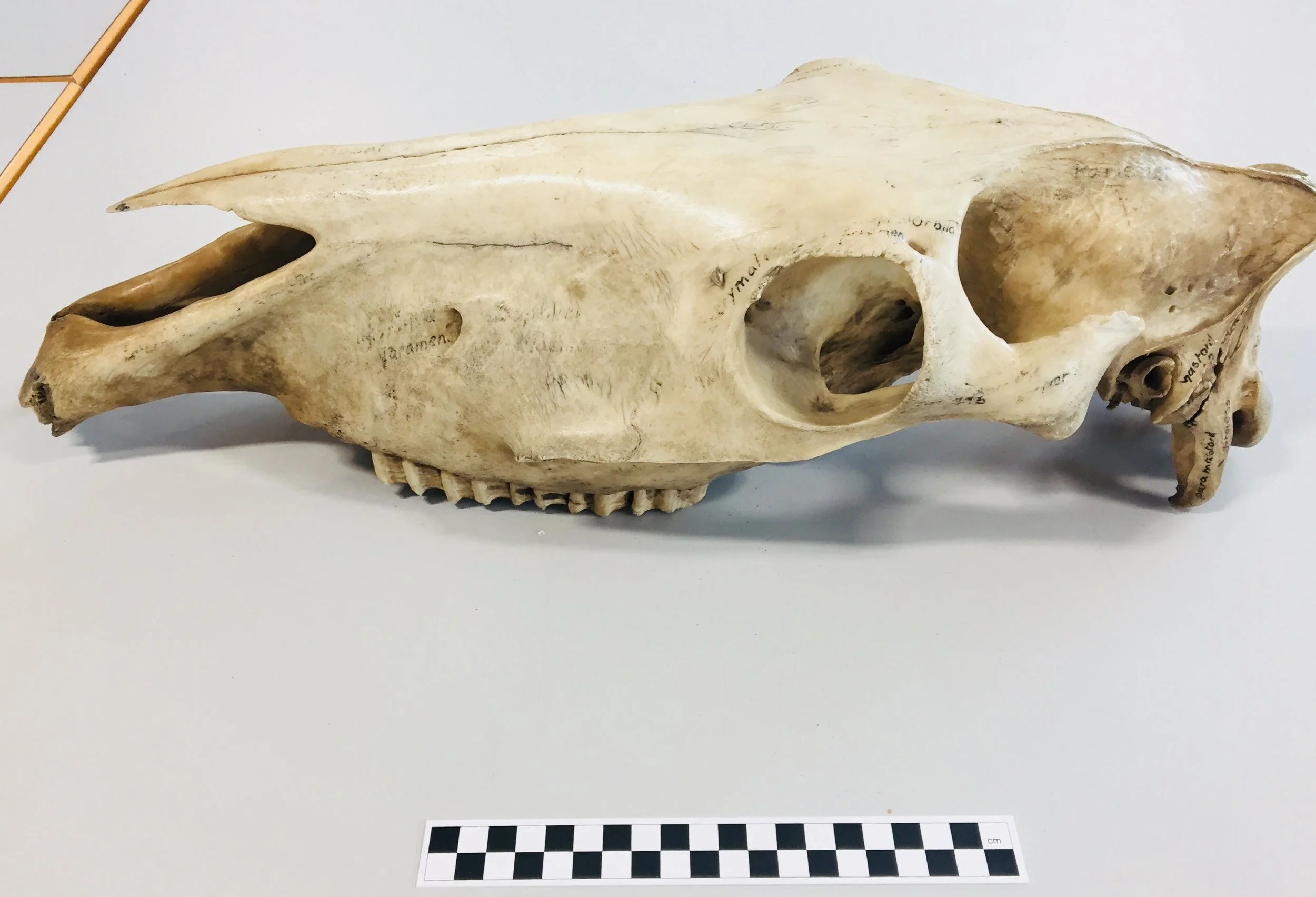
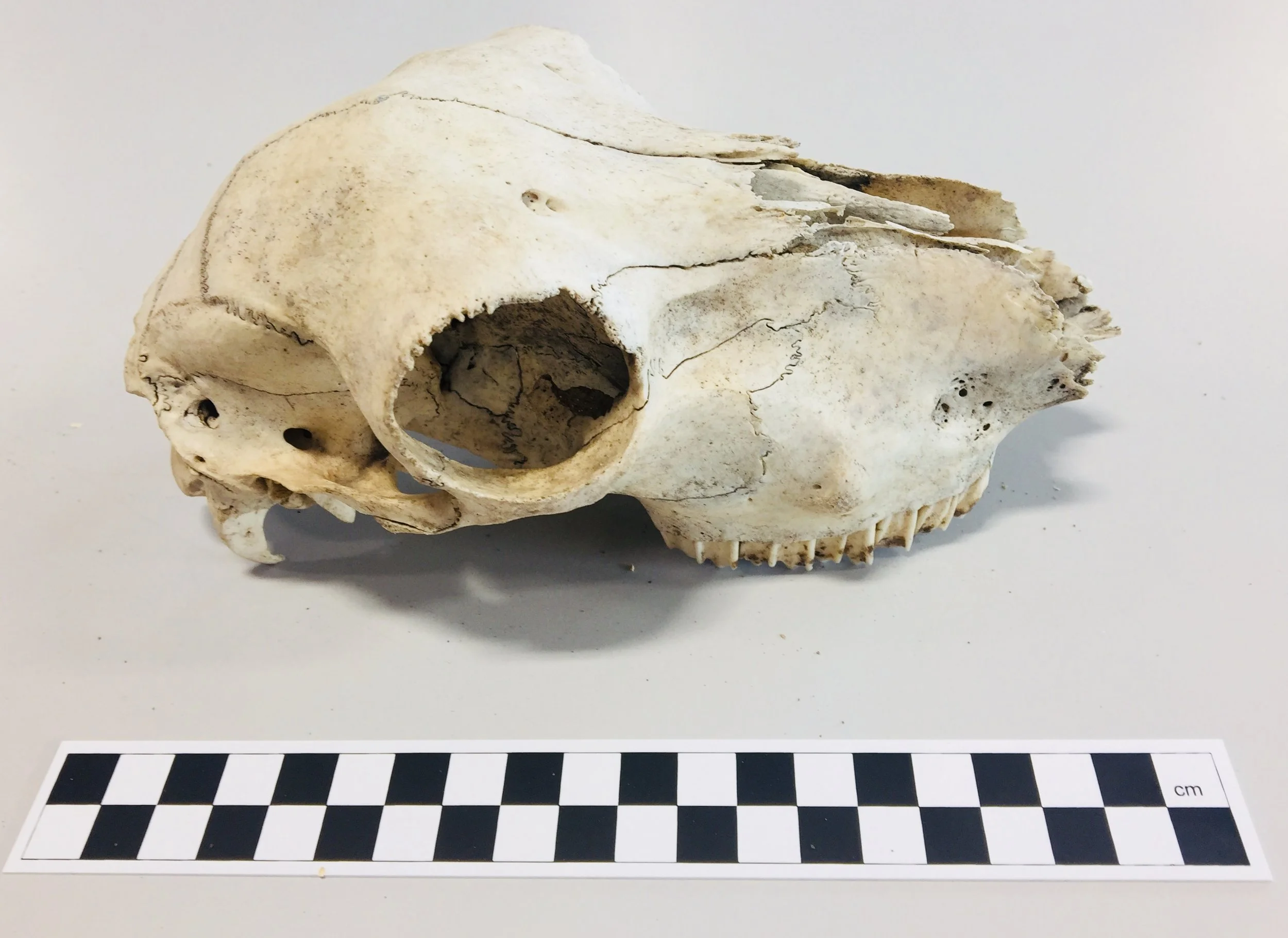
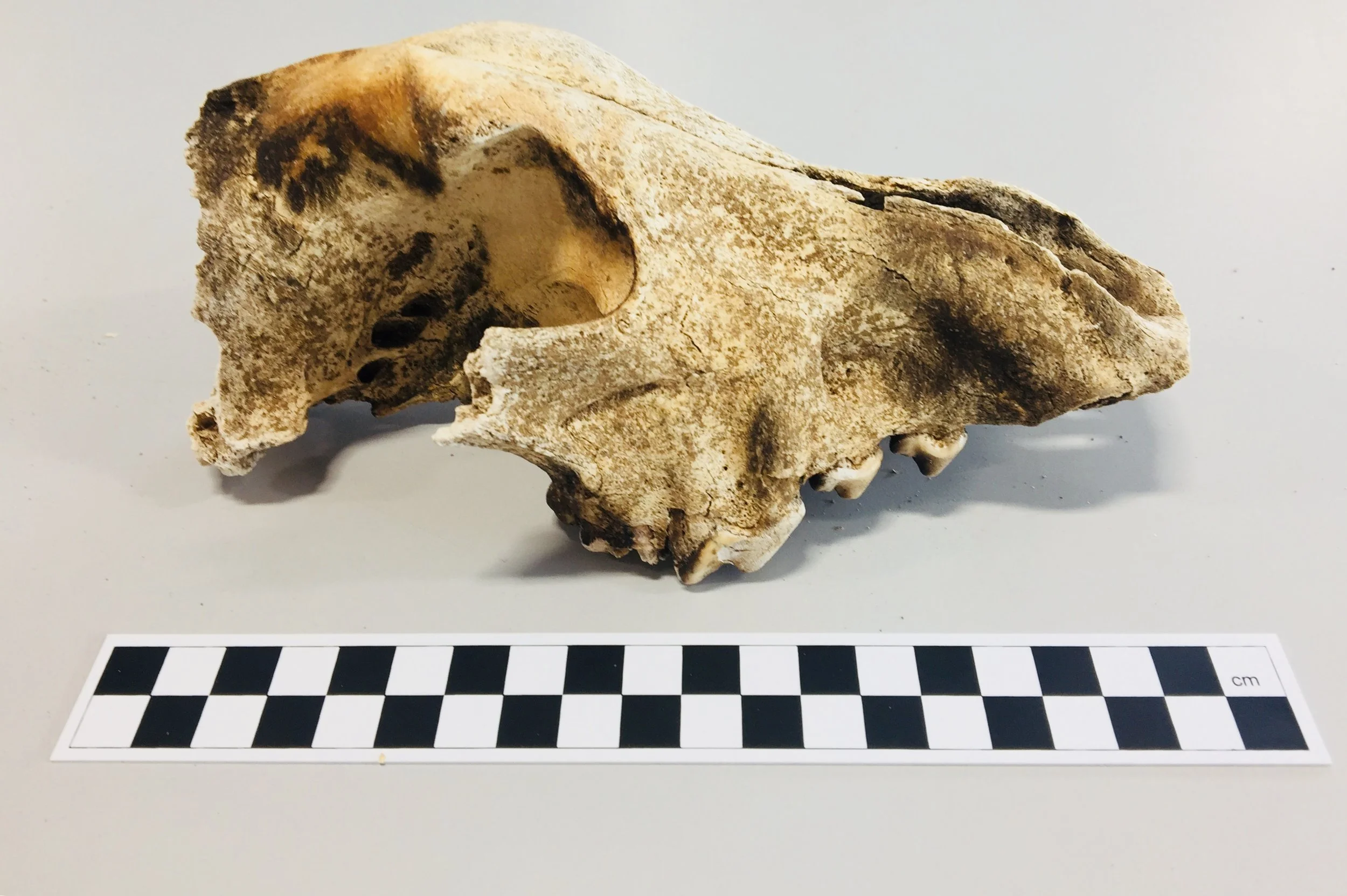
The distinction between domestic and wild animals is sometimes difficult, especially if the domesticated species is still morphological very similar to its wild counterpart. Cat being a notorious example. Size is usually a good indicator (wild counterparts often being bigger). Differentiation is usually achieved by means of biometry, which consists of set measurements taken from the bones. Previous research has established standards for measurements taken from individuals of known ID (wild and domestic), to compare your assemblage to. However one needs to bear in mind that modern animals may not look exactly like they used to, and things become even complicated when a species also presents several different breeds bearing distinct morphological differences (e.g. domestic dogs)
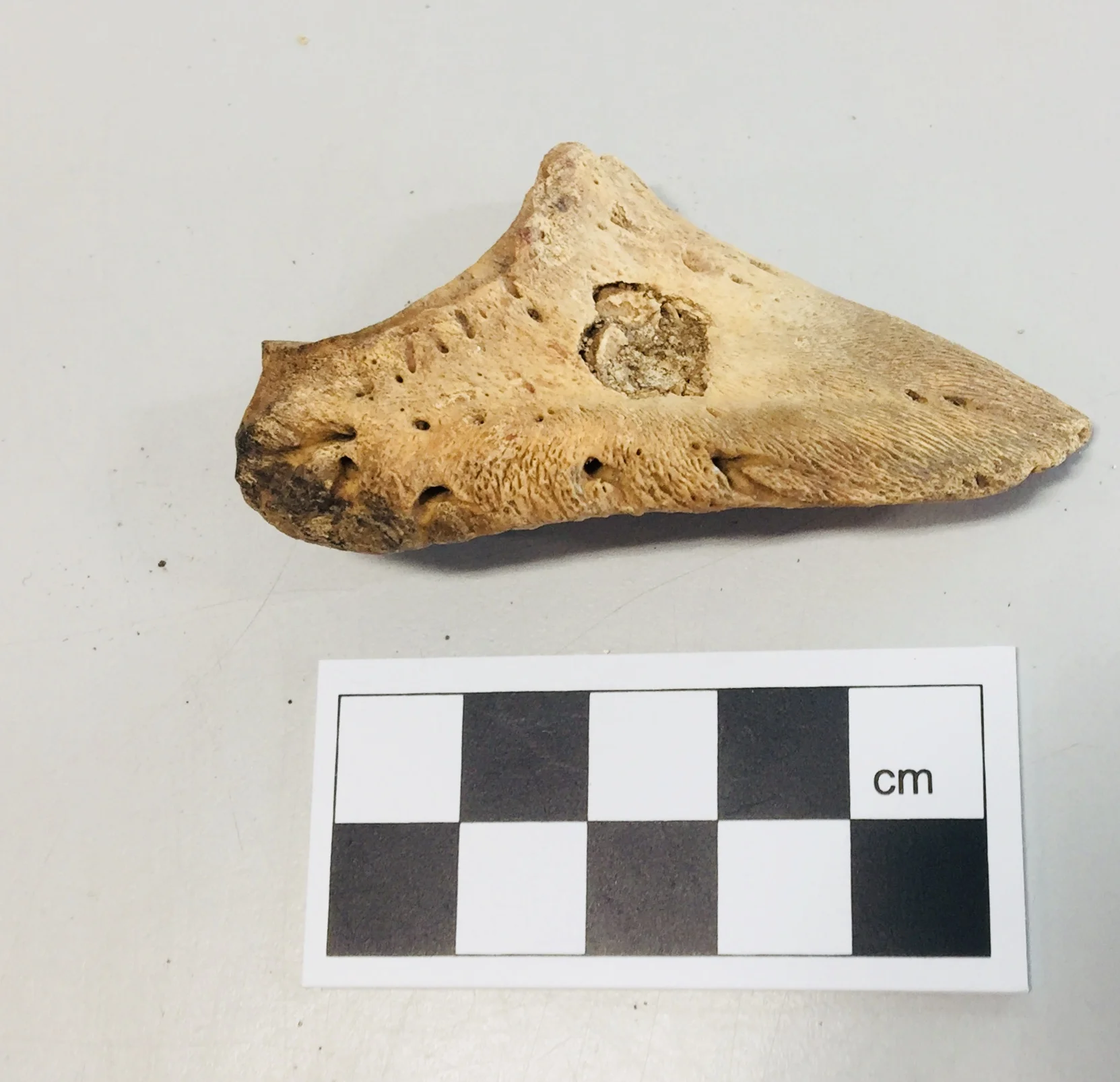
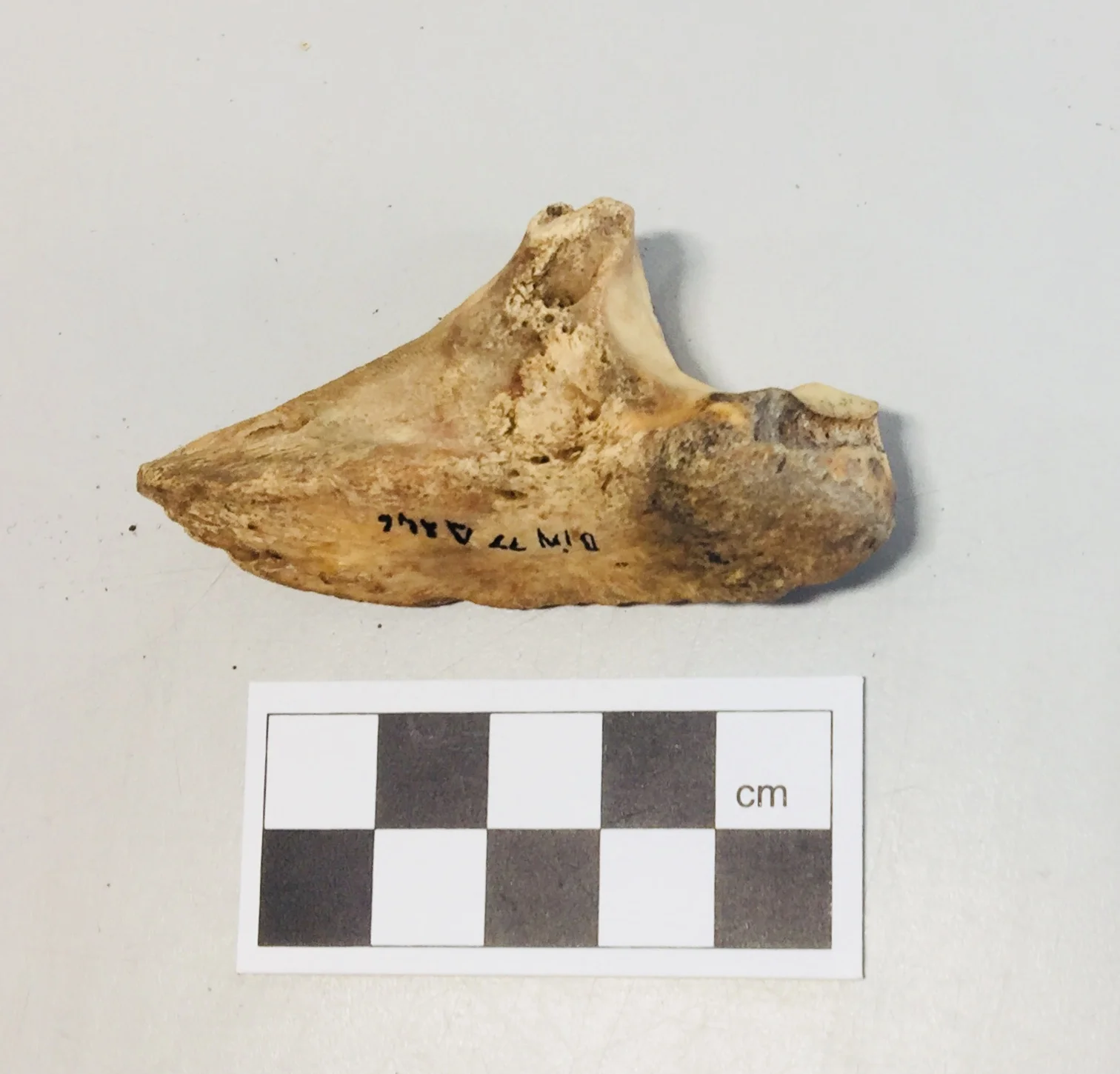
Further Reading
http://www.mustfarm.com/progress/site-diary-35-the-must-farm-menu/
Journal of Archaeological Science 35 (2008) 1828e1848 The development of animal husbandry from the Late Iron Age to the end of the Roman period: a case study from South-East Britain Umberto Albarella a,*, Cluny Johnstone b, Kim Vickers a
Davis (1987) The Archaeology of Animals. Yale
Contact
Alex Fitzpatrick
Twitter: @archaeologyfitz
Simona Falanga
Twitter: @CrazyBoneLady
Music
"Coconut - (dyalla remix)"
Zooarchaeology 101 - Episode 01
Zooarchaeology is, as the word suggests, the study of animal remains from archaeological sites. It is a relatively new discipline that has been steadily gaining popularity since the 1970s. Zooarchaeology can provide inference on past people’s economy, dietary habits, society and culture.
Faunal remains recovered from archaeological sites are initially processed, identified to element and species whenever possible and finally used in quantitative and qualitative analyses to further our understanding of a given archaeological site. Zooarchaeologists will frequently attempt to gather information on the animals’ age, sex and season of death as well as looking out for bone modification (either pathological or taphonomical i.e. signs of disease and butchery/burning/gnawing). This data will then be analysed within the regional and historical context of the site.
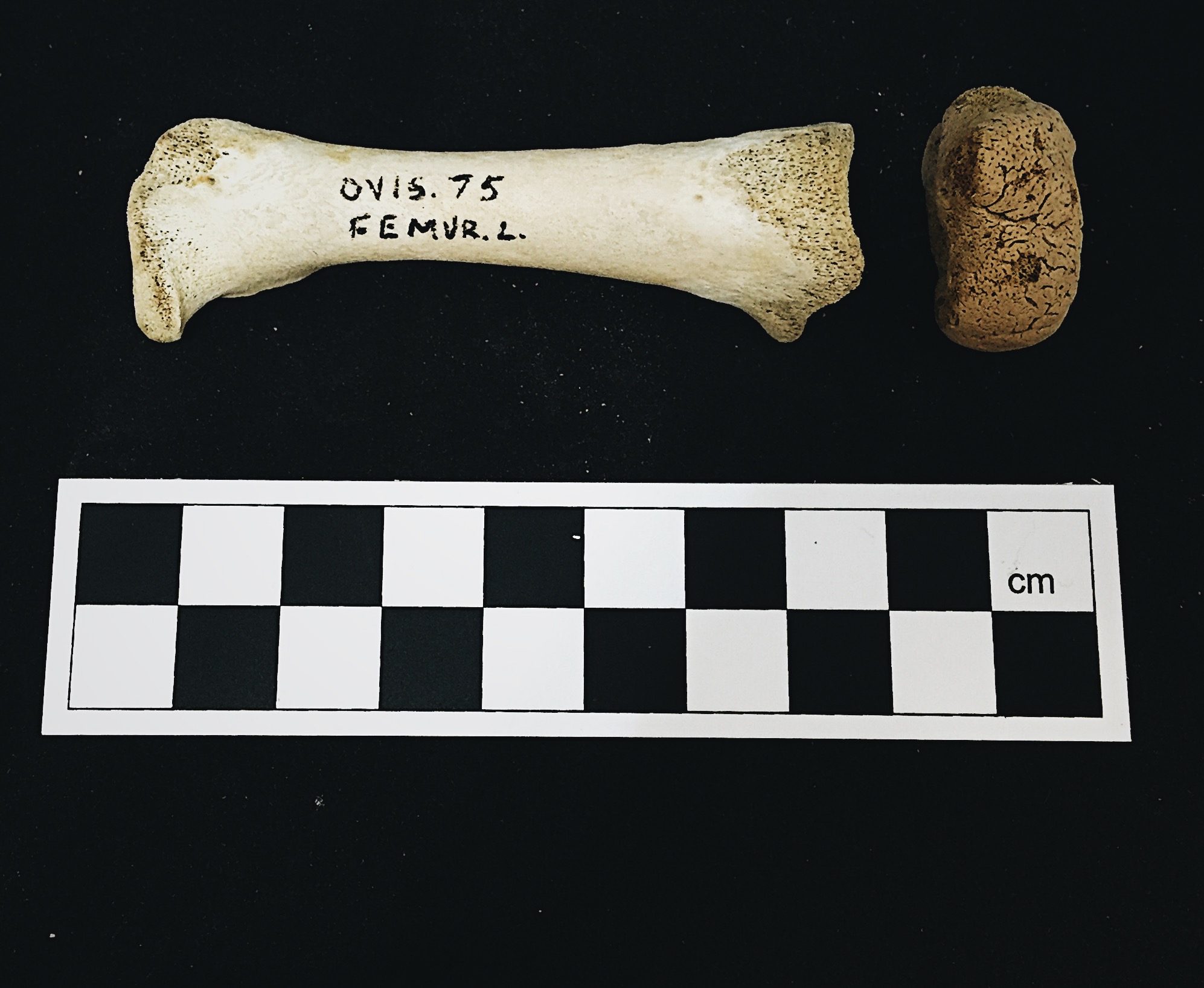
When carrying out the analysis of a faunal assemblage, the first step is to identify as many bone fragments as possible to element and species. It is important for this process to be as accurate as possible, thus if in doubt it is best to label the specimen as unidentifiable rather than risking biasing your sample). As not all recovered fragments will not have retained enough diagnostic characteristic for confident ID, the whole sample is somewhat biased from the very beginning, hence it’d be best not to add to that with potential misidentifications. Identification of skeletal remains is largely carried out by morphological analysis, though species which present a similar anatomy may require additional tools such as biometry (which relies on measurements): this is the case for sheep/goat, to mention a few. Morphological ID is a skill that takes a lot of practice to refine, and reference collections represent an invaluable asset in order to learn and maintain your knowledge of comparative skeletal anatomy. These will be mostly comprised of modern specimens of known ID. It is important to bear in mind, however, that the morphology of a given species is unlikely to have remained static throughout time and your archaeological material may thus slightly differ to the modern reference specimen. Some species also present remarkable morphological and size variations (dogs, for instance), so these are all factors to be mindful of when analysing an archaeological assemblage.
The age at death of an animal is frequently determined based on epiphyseal fusion. For those who are unfamiliar with the concept, most bone is comprised of two parts: the central diaphysis (commonly known as the shaft) and the two epiphysis, which stand at the periphery of the bone. In several bones, these three parts are not fused together at birth, and research has been carried out to determine fusion age stages for different elements and species.
Another frequently used method for ageing is tooth eruption and wear.
Assigning age at death is useful in order to determine kill off patterns, which ultimately provide inference on animal exploitation. For instance, a sample mostly comprised by adult/elderly cattle indicates that they may have been used as working animals. Similarly, if the sample is comprised by numerous juveniles as well as adults, dairy production is a likely candidate.
Further inference on exploitation is provided by sexing the animals, which is usually carried out by looking for sexually dimorphic traits (i.e. morphological traits which will differ between males and female - e.g. antler in male cervids, with the exception of reindeer).
Pathology is the study of disease. It can provide information on animal exploitation and sometimes pet keeping. The latter hypothesis is for instance argued when an individual presents numerous pathologies which required constant human care and that would render the animal economically unviable to keep, yet it was still looked after.
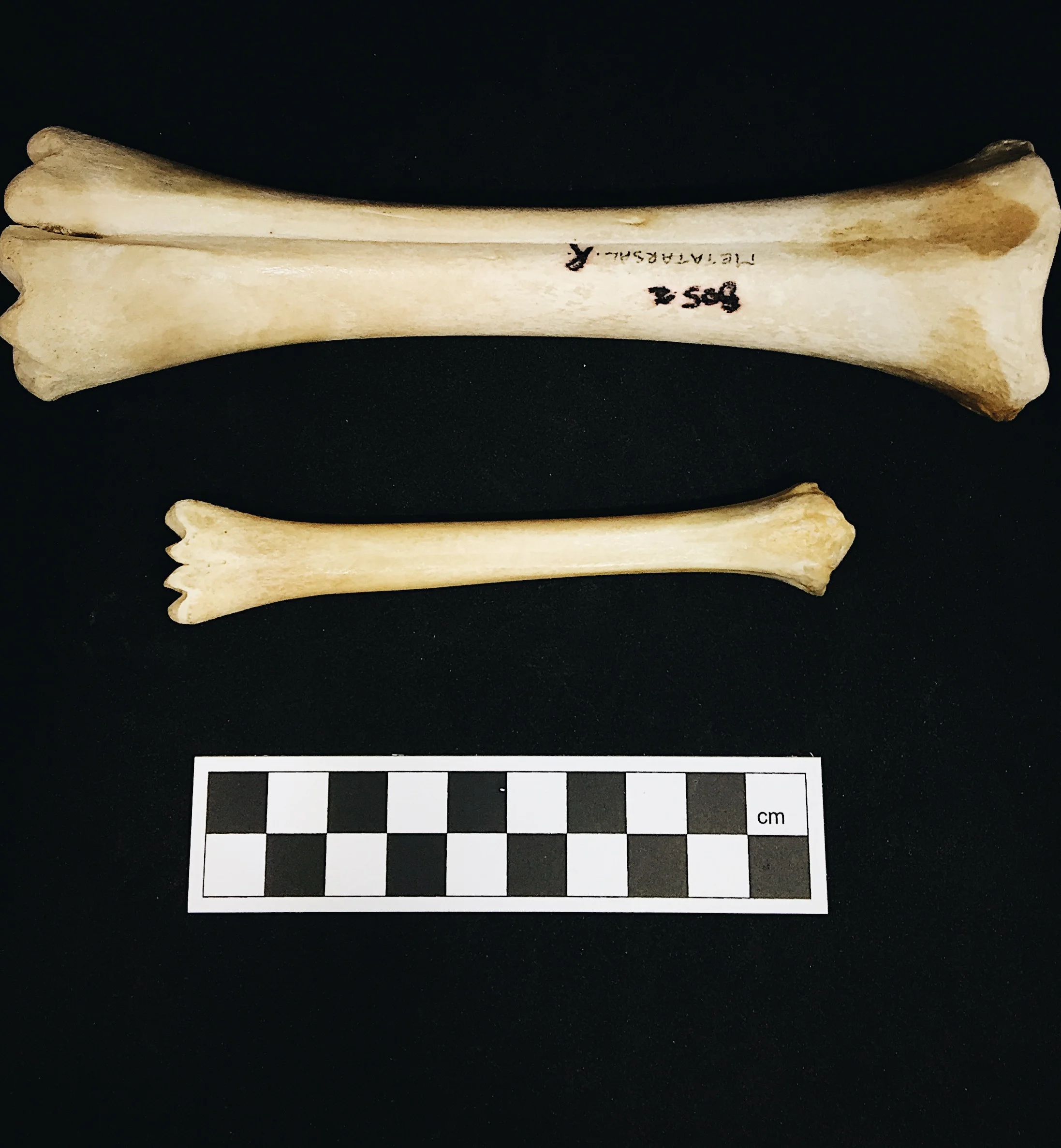
A common marker of animal exploitation which is not uncommon in cattle remains is a bone growth within the metatarsal/tarsal articulation, known as spavin. The latter is caused by chronic inflammation, most likely induced by traction.
Taphonomy is a huge subject and an academic discipline in its own right. Within zooarchaeology, the aspects of taphonomy which are mostly looked at are man/animal induced bone modification. This can take the form of butcher marks, scorching caused by cooking, and gnawing from domestic animals and scavengers alike.

Further Reading
"Identifying and Interpreting Animal Bones: A Manual" - April M. Beisaw (2013)
"The Archaeology of Animal Bones" - Terry O'Connor (2000)
"On the Average Day of a Zooarchaeologist, or Like, So What Do You Even Do?" - Alex Fitzpatrick https://animalarchaeology.com/2017/11/09/
Contact
Alex Fitzpatrick
Twitter: @archaeologyfitz
Simona Falanga
Twitter: @CrazyBoneLady
Music
"Coconut - (dyalla remix)"
Introducing ArchaeoAnimals - Episode 0
Welcome to a brand new podcast from the Archaeology Podcast Network - ArchaeoAnimals! Our hosts, Alex Fitzpatrick and Simona Falanga, will guide you through the world of animals, humans, and archaeology. This first episode will tell you what the show's about and a little about Alex and Simona.
Links
Follow #archaeoanimals on Twitter.
Contact
Alex Fitzpatrick
Twitter: @archaeologyfitz
Simona Falanga
Twitter: @CrazyBoneLady
Music
"Coconut - (dyalla remix)"
the relationship between animals and humans On archaeology sites is called Zooarchaeology. This podcast explores that relationship.
Search the ArchaeoAnimals podcast above.
Twitter#archaeoanimals


-
2023
- Dec 5, 2023 The Zooarchaeology of ArchaeoAnimals - Ep 65 Dec 5, 2023
- Nov 7, 2023 Cute Animals Galore! - Ep 64 Nov 7, 2023
- Oct 2, 2023 The Zooarchaeology of Predator - Ep 63 Oct 2, 2023
- Sep 5, 2023 The Creatures of Medieval Maps and Bestiaries - 62 Sep 5, 2023
- Aug 1, 2023 Lactose Intolerants Beware! The Zooarchaeology of Dairy - Ep 61 Aug 1, 2023
- Jul 4, 2023 Ancient Crafts and Gross Stuff: Experimental Zooarchaeology - Ep 60 Jul 4, 2023
- Jun 6, 2023 Elephant or Cyclops? The Mistaken Identity of Animal Bones - Ep 59 Jun 6, 2023
- May 2, 2023 From the Frontlines to the Trenches - Ep 58 May 2, 2023
- Apr 4, 2023 The Zooarchaeology of Star Wars - Ep 57 Apr 4, 2023
- Mar 7, 2023 Paleoenvironmental Reconstruction - What is it and What Does it Do? - Ep 56 Mar 7, 2023
- Feb 7, 2023 Of Mice and Rats (and All Manners of Voles) - Ep 55 Feb 7, 2023
- Jan 3, 2023 Scales and Tails: Reptiles in Archaeology - Ep 54 Jan 3, 2023
-
2022
- Dec 6, 2022 On Frog-Toads and Other Amphibian Dilemmas - Ep 53 Dec 6, 2022
- Nov 1, 2022 Xenomorph Archaeology - Ep 52 Nov 1, 2022
- Oct 4, 2022 Fine, Let's Rank Our Favourite Animal Bones - Ep 51 Oct 4, 2022
- Sep 6, 2022 Where in the World? Part Six: The Zooarchaeology of Antarctica - Ep 50 Sep 6, 2022
- Aug 2, 2022 Where in the World? Part Five: The Zooarchaeology of Oceania - Ep 49 Aug 2, 2022
- Jul 5, 2022 Where in the World? Part Four: The Zooarchaeology of Asia - Ep 48 Jul 5, 2022
- Jun 7, 2022 Where in the World? Part Three: The Zooarchaeology of the Americas - Ep 47 Jun 7, 2022
- May 3, 2022 Where in the World? Part Two: The Zooarchaeology of Africa - Ep 46 May 3, 2022
- Apr 5, 2022 Where in the World? Part One: The Zooarchaeology of Europe - Ep 45 Apr 5, 2022
- Mar 1, 2022 Contemporary Zoorchaeology - What’s in your Rubbish Bin? - Ep 44 Mar 1, 2022
- Feb 1, 2022 The Zooarchaeology of Myth & Legends (Part Two) - Ep 43 Feb 1, 2022
- Jan 4, 2022 The Hitchhikers: the animals we didn’t really want to take with us but life, uh, finds a way (ARCHIVE) - Ep 42 Jan 4, 2022
-
2021
- Dec 7, 2021 The Zooarchaeology of Myth & Legends (Part One) - Ep 41 Dec 7, 2021
- Nov 2, 2021 "Player One Needs Food Badly" - The Zooarchaeology of Video Game Cuisine - Ep 40 Nov 2, 2021
- Oct 5, 2021 Time Warped! Part Five - The Zooarchaeology of the Medieval Period - Ep 39 Oct 5, 2021
- Sep 7, 2021 Time Warped! Part Four: The Zooarchaeology of the Post Roman Period - Ep 38 Sep 7, 2021
- Aug 3, 2021 Time Warped! Part Three: The Zooarchaeology of Roman Britain - Ep 37 Aug 3, 2021
- Jul 6, 2021 Time Warped! Part Two: The Zooarchaeology of the Later Prehistoric - Episode 36 Jul 6, 2021
- Jun 1, 2021 Time Warped! Part One: The Zooarchaeology of the Early Prehistoric - Ep 35 Jun 1, 2021
- May 4, 2021 Gotta Dig 'Em All! The Zooarchaeology of Pokemon - Ep 34 May 4, 2021
- Apr 6, 2021 Eagle Eyed Zooarchaeology - Looking at the Digital Animals in Assassin's Creed - Ep 33 Apr 6, 2021
- Mar 2, 2021 A Little Bit of Zooarch, a Little Bit of Palaeontology...Let's Talk Megafauna and Extinct Species - Ep 32 Mar 2, 2021
- Feb 2, 2021 Swooping is Bad, Bones are Better: The Zooarchaeology of Dragon Age - Ep 31 Feb 2, 2021
- Jan 5, 2021 The Hitchhikers: the animals we didn’t really want to take with us but life, uh, finds a way - Ep 30 Jan 5, 2021
-
2020
- Dec 1, 2020 I'm Commander Shephard and This Is My Favourite Bone on the Citadel: The Zooarchaeology of Mass Effect - Ep 29 Dec 1, 2020
- Nov 3, 2020 So You Want to be a Zooarchaeologist? - Ep 28 Nov 3, 2020
- Oct 6, 2020 You’re not supposed to be here! ‘Exotic’ species in the archaeological record - Episode 27 Oct 6, 2020
- Sep 1, 2020 Bioarchaeology in the Witcher - Ep 26 Sep 1, 2020
- Aug 4, 2020 Culinary Zooarchaeology - Ep 25 Aug 4, 2020
- Jul 7, 2020 Unicorns, Sasquatches, and Mermaids, Oh My! Cryptozoology and Fake Zooarchaeology - Ep 24 Jul 7, 2020
- Jun 3, 2020 Applied Zooarchaeology: primitive breeds today - Ep 23 Jun 3, 2020
- May 5, 2020 Sick to Death? Pathologies and Animal Bones - Ep 22 May 5, 2020
- Apr 7, 2020 Ancient goddesses, eggs and bunny rabbits: The Zooarchaeology of Lagomorphs - Ep 21 Apr 7, 2020
- Mar 2, 2020 Birds of a Feather... - Ep 20 Mar 2, 2020
- Feb 4, 2020 Does Zooarchaeology Exist in Star Wars? - Ep 19 Feb 4, 2020
- Jan 7, 2020 Alpaca llama: adventures with South American Camelids - Ep 18 Jan 7, 2020
-
2019
- Dec 3, 2019 Holidays and Feasting in the Archaeological Record - Ep 17 Dec 3, 2019
- Nov 5, 2019 Desert Pack Animals: Introducing Donkeys and Camels! - Ep 16 Nov 5, 2019
- Oct 1, 2019 That’ll Do, Pig - Ep 15 Oct 1, 2019
- Sep 3, 2019 Native or Introduced? The Animals You’d NEVER Thought Came From Elsewhere - Ep 14 Sep 3, 2019
- Aug 6, 2019 The Weird and the Wonderful: Imagined Zooarchaeologies of Video Games - Ep 13 Aug 6, 2019
- Jul 2, 2019 A Fishy Situation - Ep 12 Jul 2, 2019
- Jun 4, 2019 Hunter's Hotpot - Ep 11 Jun 4, 2019
- May 7, 2019 Winner, Winner, Chicken Dinner - Ep 10 May 7, 2019
- Apr 2, 2019 A Horse, Of Course - Ep 9 Apr 2, 2019
- Mar 5, 2019 Everything is Ritual! - Ep 8 Mar 5, 2019
- Feb 5, 2019 The Cat's Out Of The Bag - Ep 7 Feb 5, 2019
- Jan 1, 2019 Cow-abunga! - Ep 6 Jan 1, 2019
-
2018
- Dec 4, 2018 Cryptozoology (featuring Archaeological Fantasies) - 5 Dec 4, 2018
- Nov 6, 2018 Sheep vs Goats - Ep Nov 6, 2018
- Oct 2, 2018 Who Let The Dogs Out? Ep 3 Oct 2, 2018
- Sep 4, 2018 Old McDonald Had A Farm - Episode 2 Sep 4, 2018
- Sep 4, 2018 Zooarchaeology 101 - Episode 01 Sep 4, 2018
- Jul 4, 2018 Introducing ArchaeoAnimals - Episode 0 Jul 4, 2018